My favorite style of travel (in recent years anyway) is slow travel, where I take the time to savor and enjoy where I am without rushing from place to place checking things off a list. And that’s exactly what I did today. My day started with a pre-dawn walk around Lisbon, included a visit to a castle, a convent, and the remains of a ruined church, and ended with a traditional Portuguese meal of bacalhau com natas.
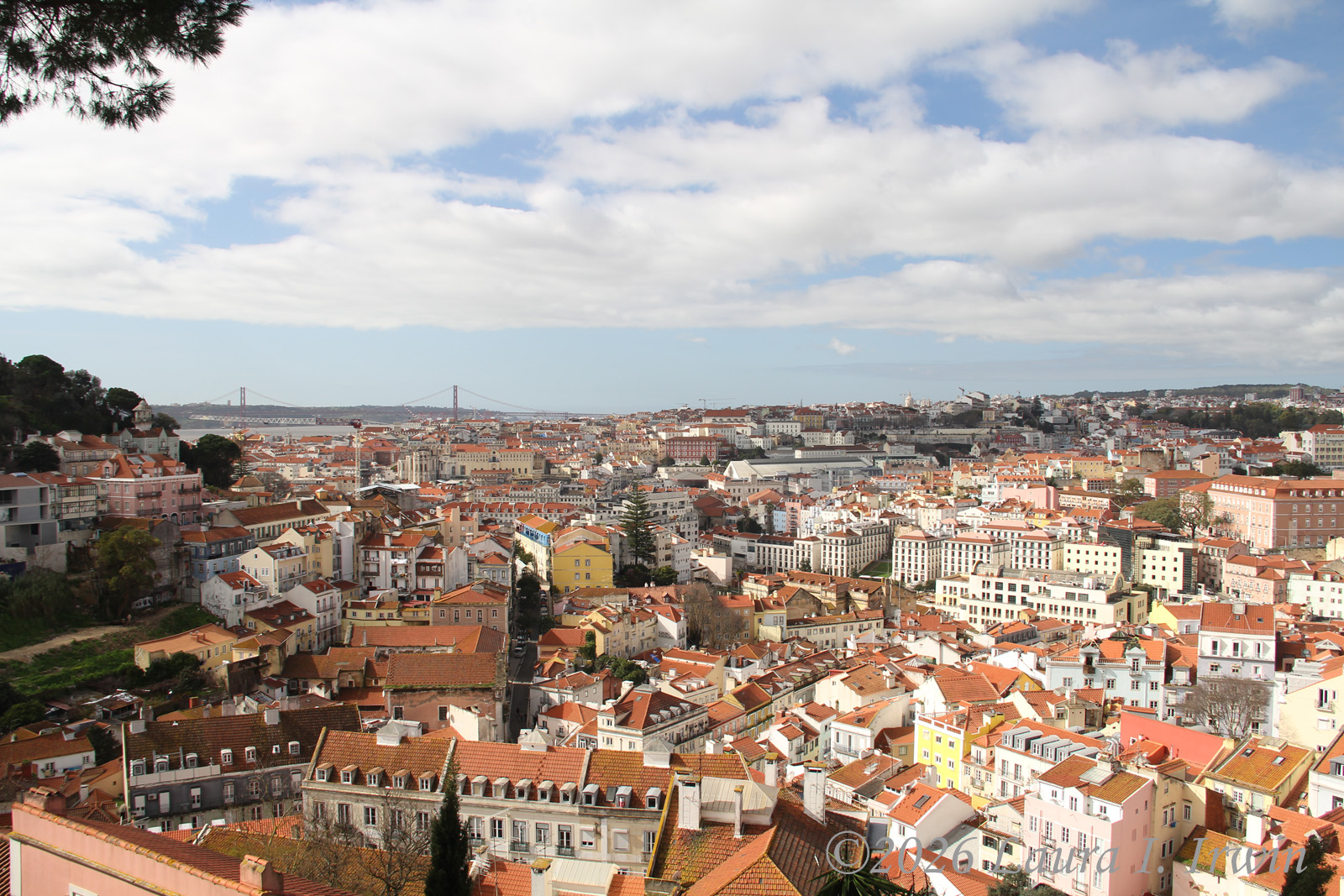
I wasn’t sure sunrise would be in the cards this week based on the weather and my travel plans. But this morning seemed like a good day to try, with the forecast for partly cloudy skies. I woke at my usual 4AM wakeup time, lounged around for a while, then got ready to head out for the day. I was all set to leave, threw open the curtains, and… clouds. It was cloudy. Not “partly cloudy”, but “entirely cloudy”. I stayed in my room a little longer and then decided that I love early morning walks before the world wakes up, and was going to enjoy one even if there was no sunrise to be seen this morning.
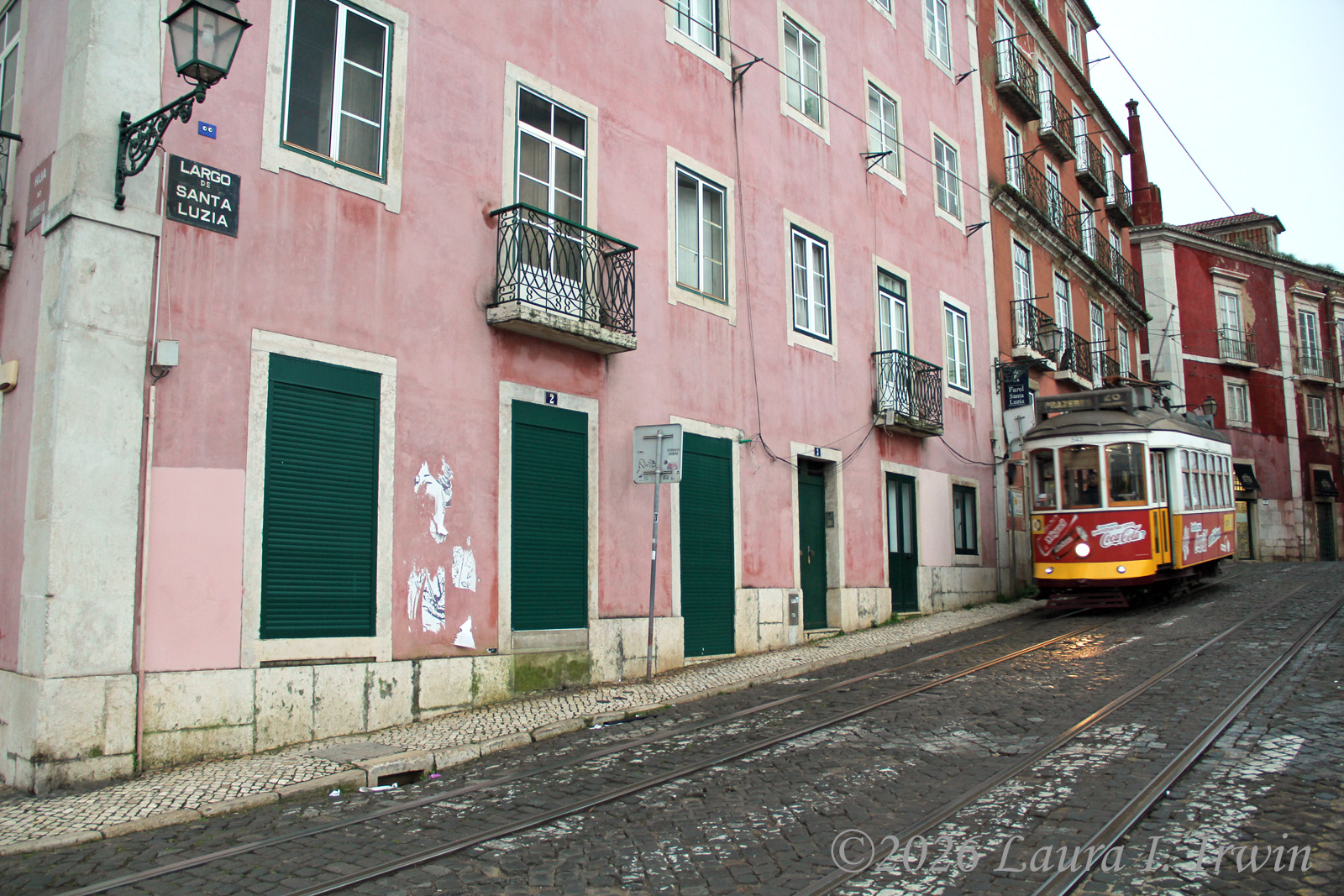
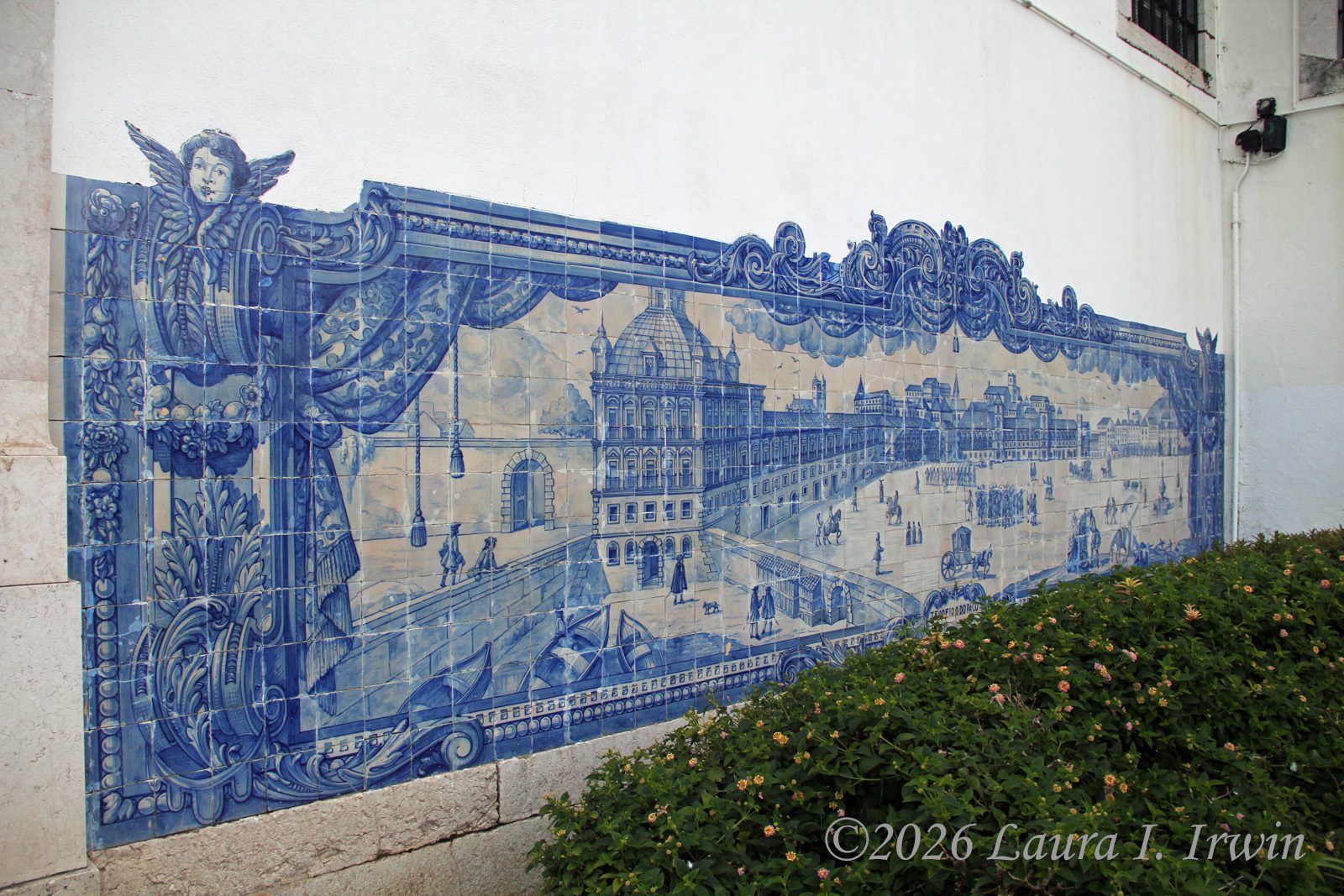
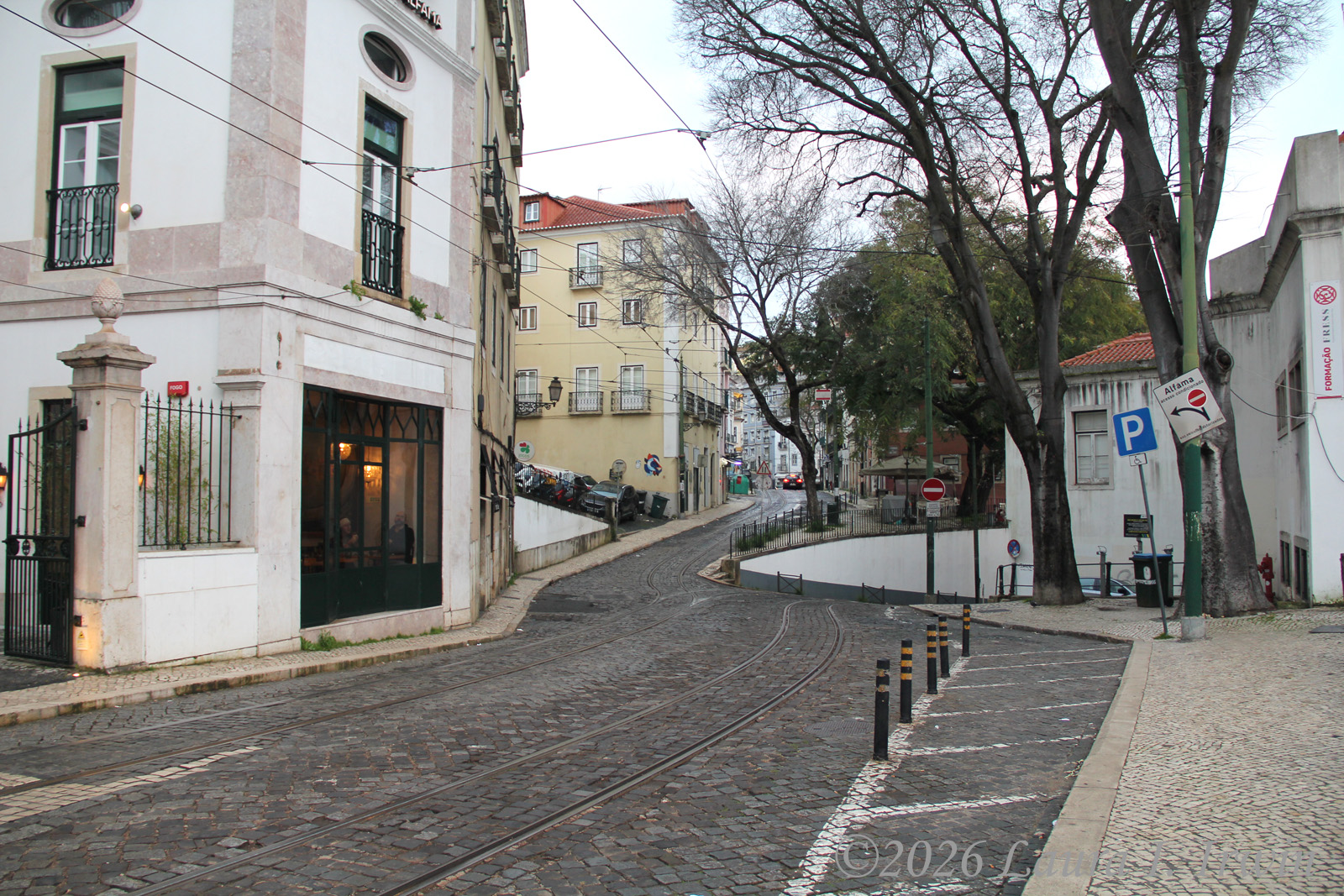
Despite the clouds, it was a beautiful morning to walk around the Alfama district. Built on a hill, the sidewalks and staircases are not for the faint of heart. But the views over the red tile roofs, the painted tiles, and the hidden lanes captivated me. Lisbon’s oldest neighborhood might just be my favorite part of the city. The Alfama is where the fishermen once lived in Lisbon, and though it has been somewhat gentrified now, it still holds onto that rustic old world charm. I enjoyed walking the streets and admiring the tile work and crumbling facades on the buildings and homes.
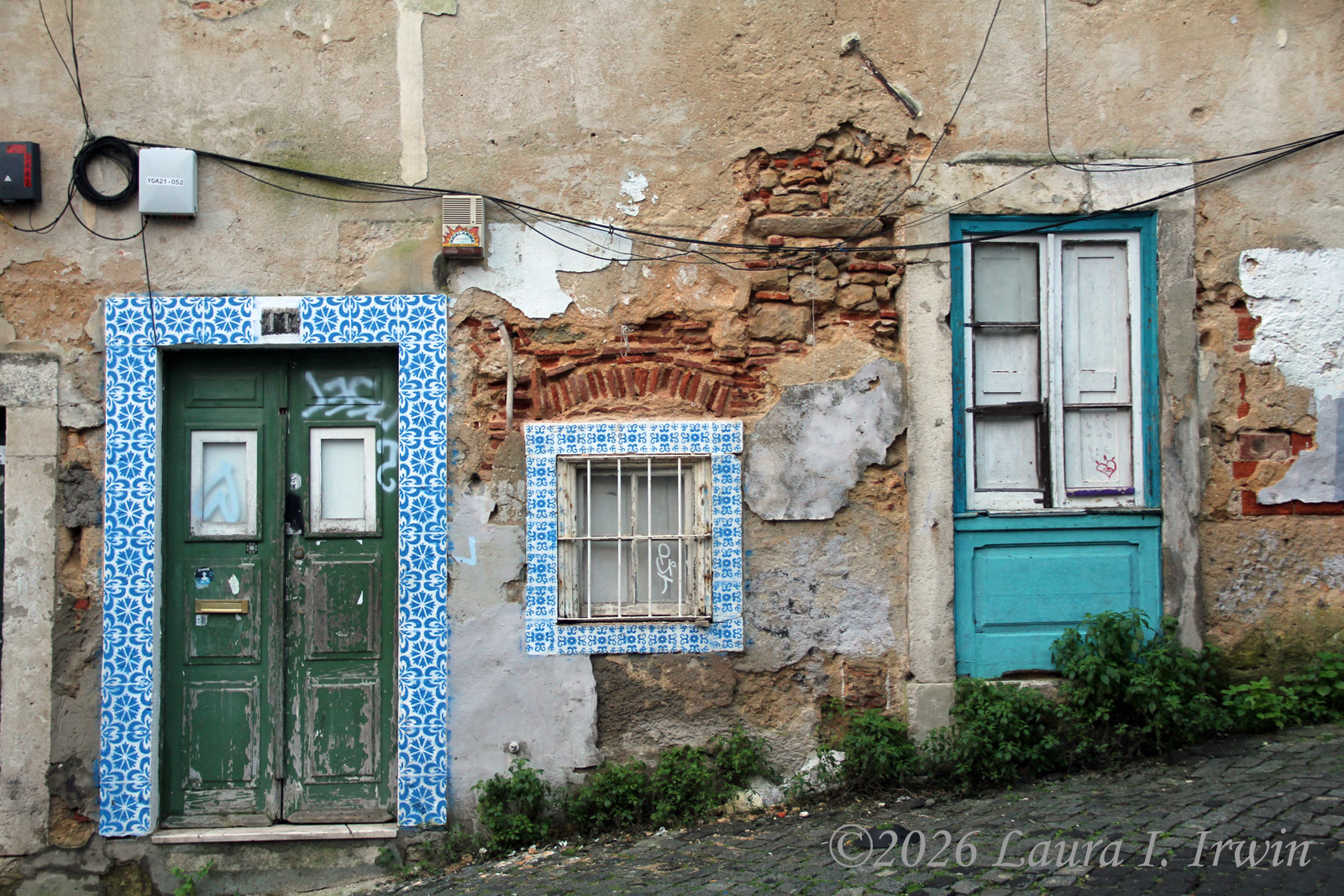
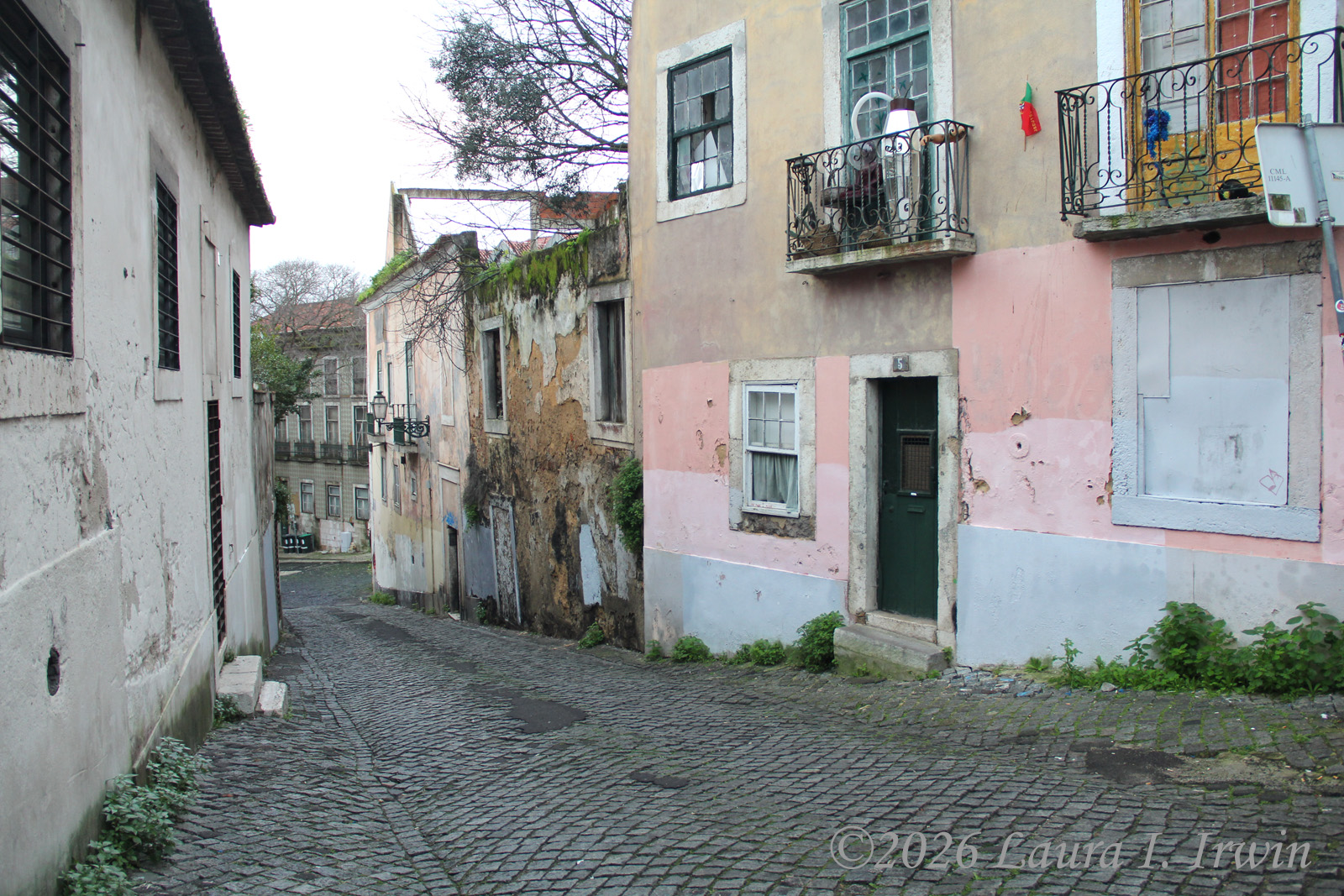
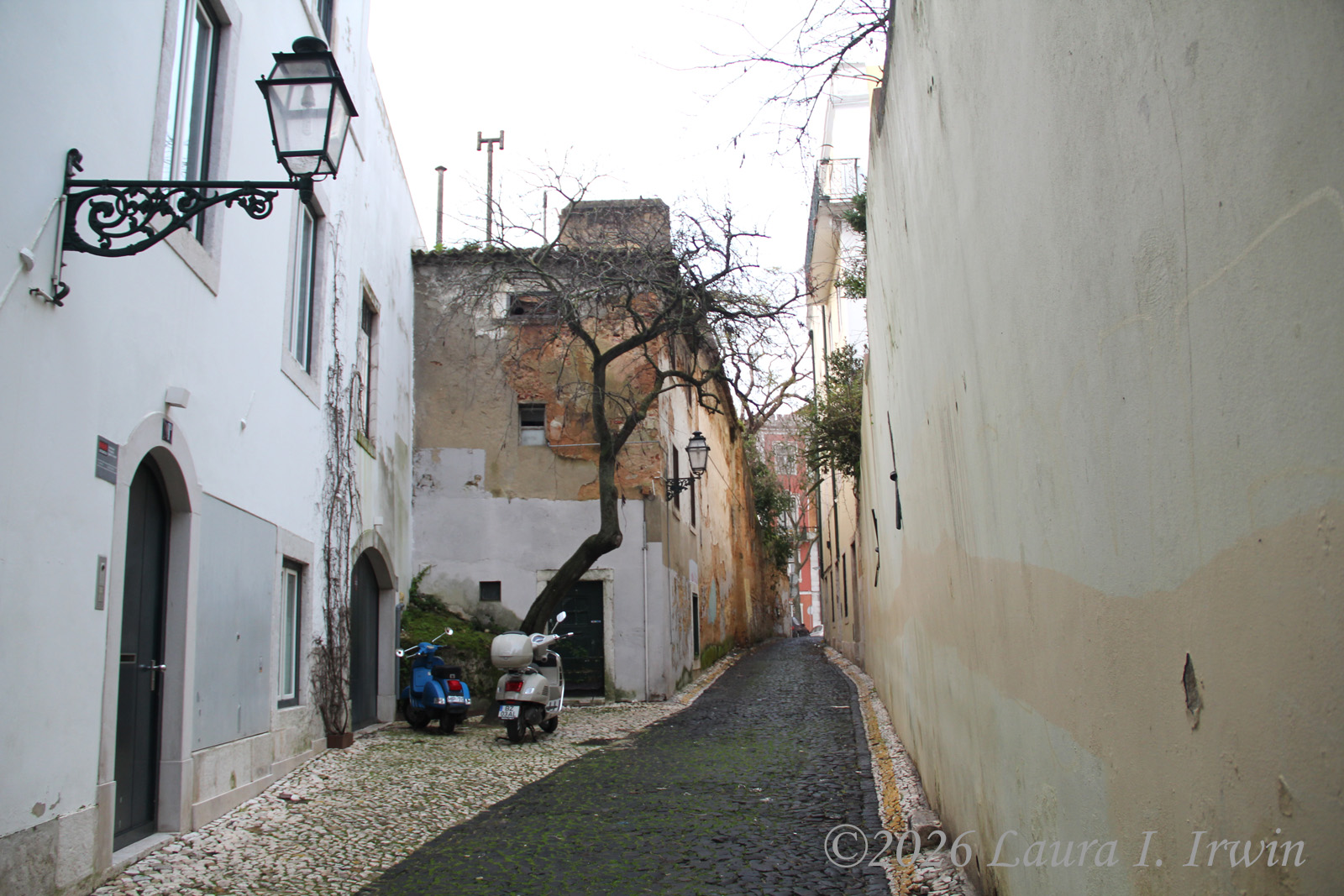
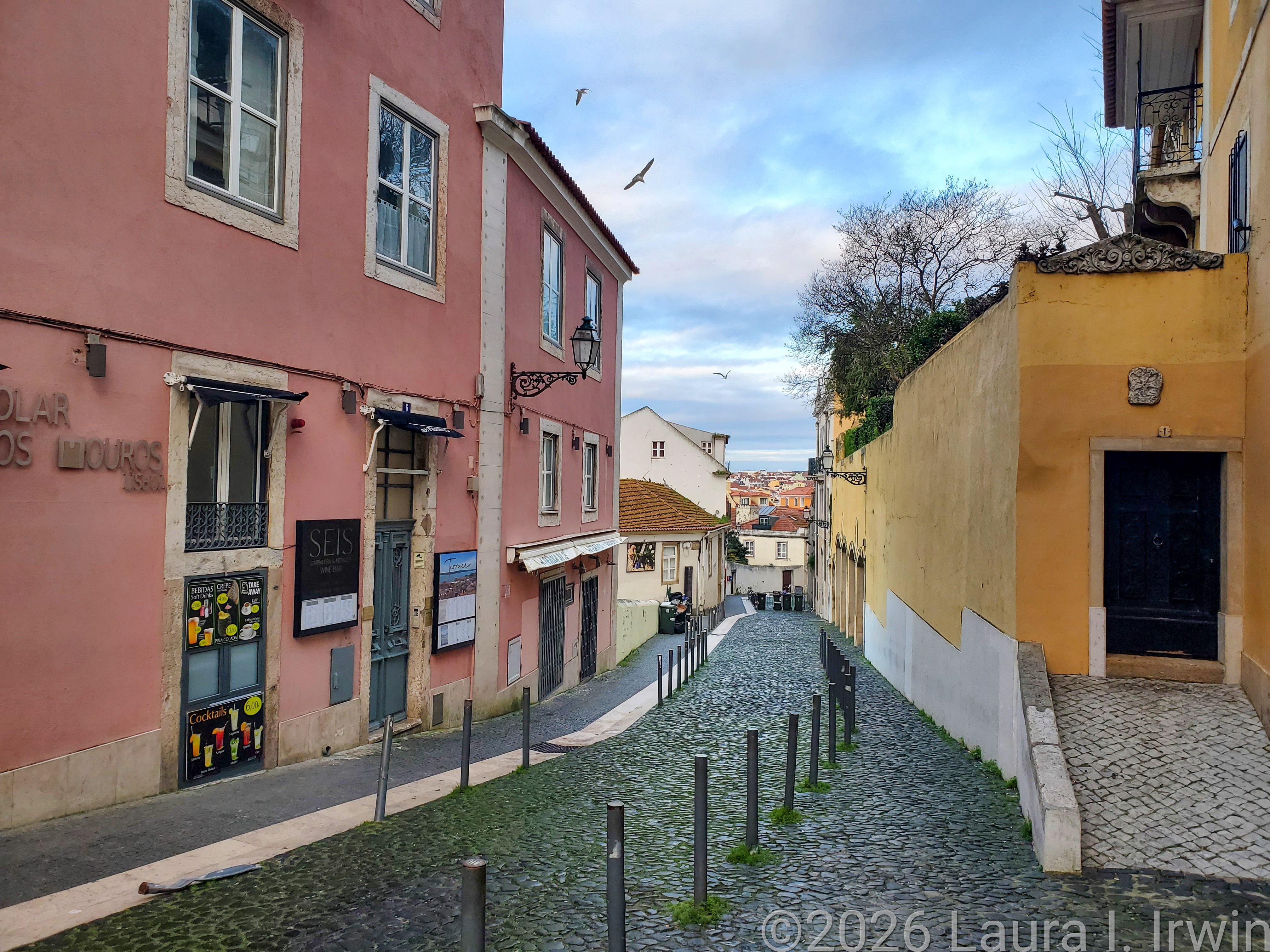
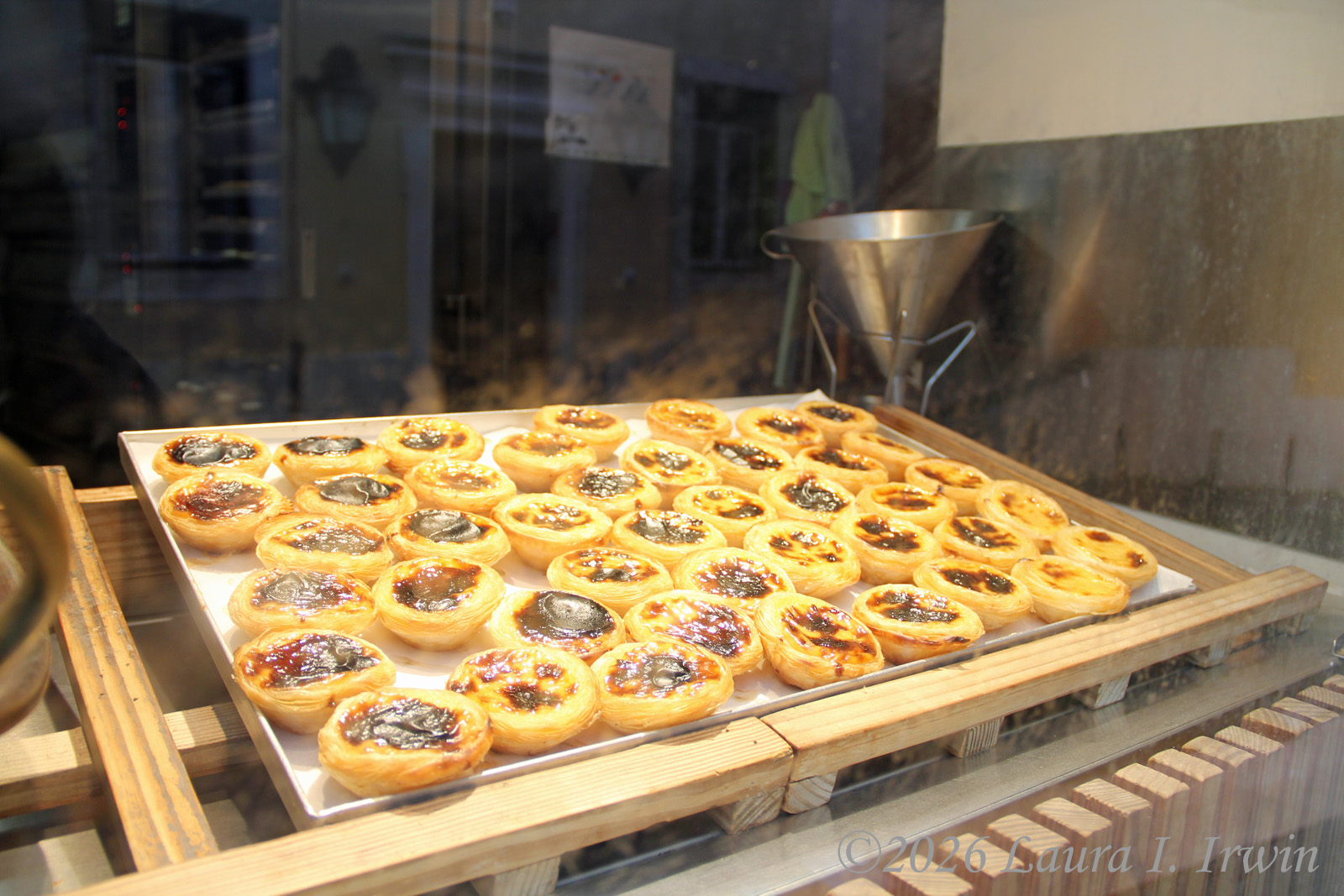
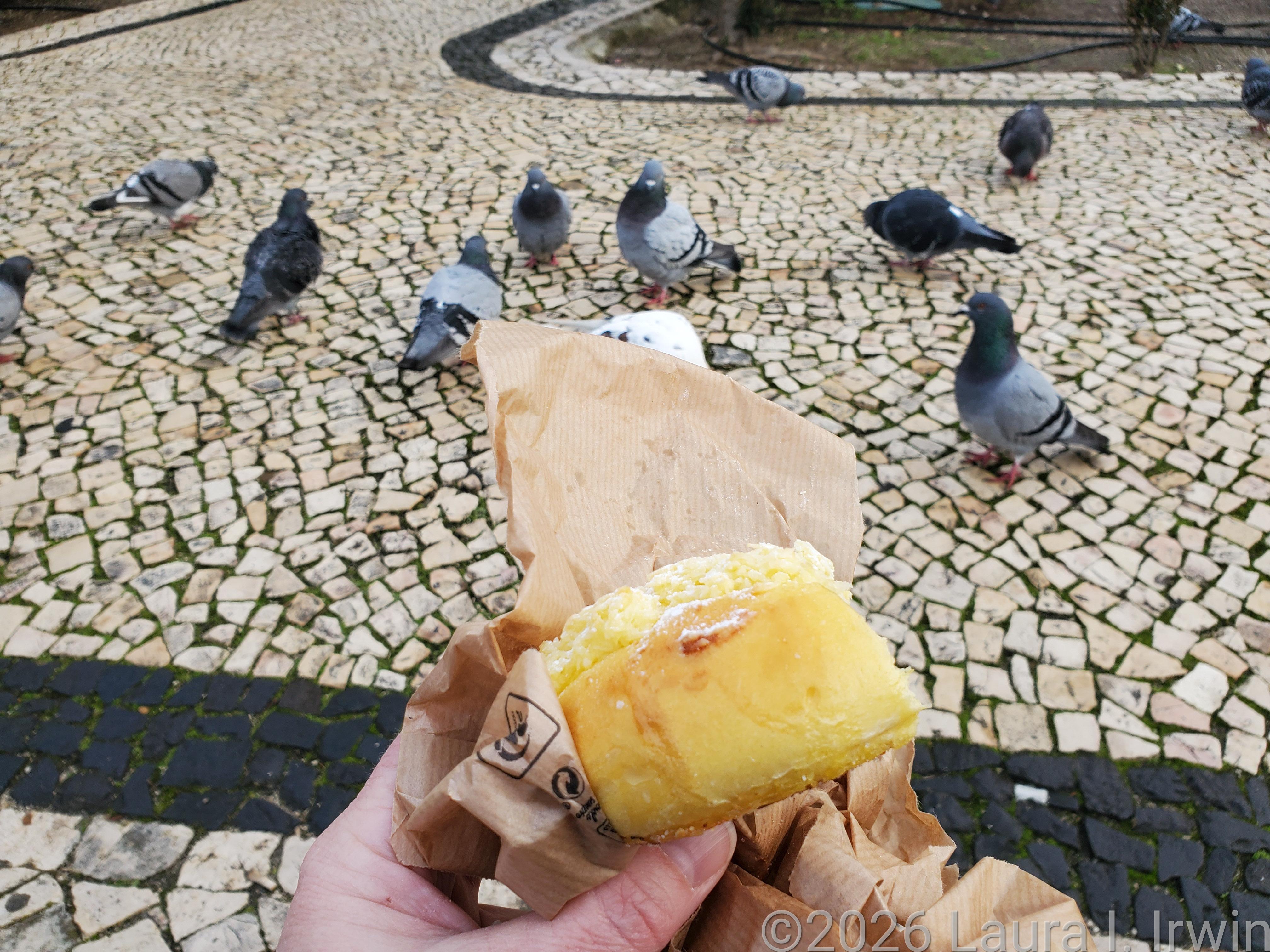
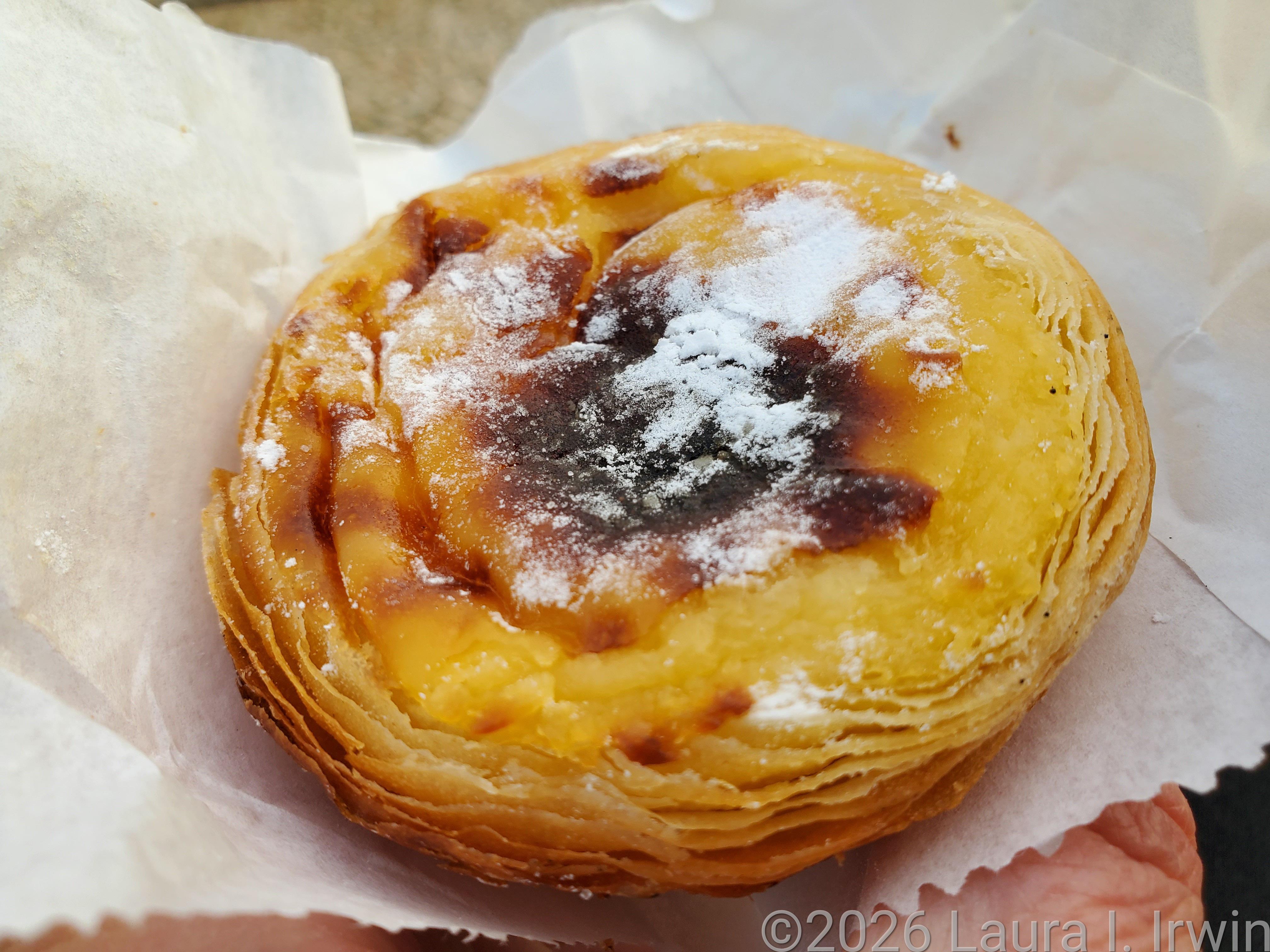
I wandered for a while and then headed to Pasteleria Santo Antonio to pick up the makings of a breakfast picnic. I brought my coconut pastry and pastel de nata to Miradouro de Santa Luzia, found a bench, opened the bag, and was immediately descended upon by a flock of pigeons. They patiently watched me eat each bite while my fellow humans had a nice laugh. The pastel de nata from Santo Antonio has won awards, but I have to say I enjoyed the one I had yesterday more.
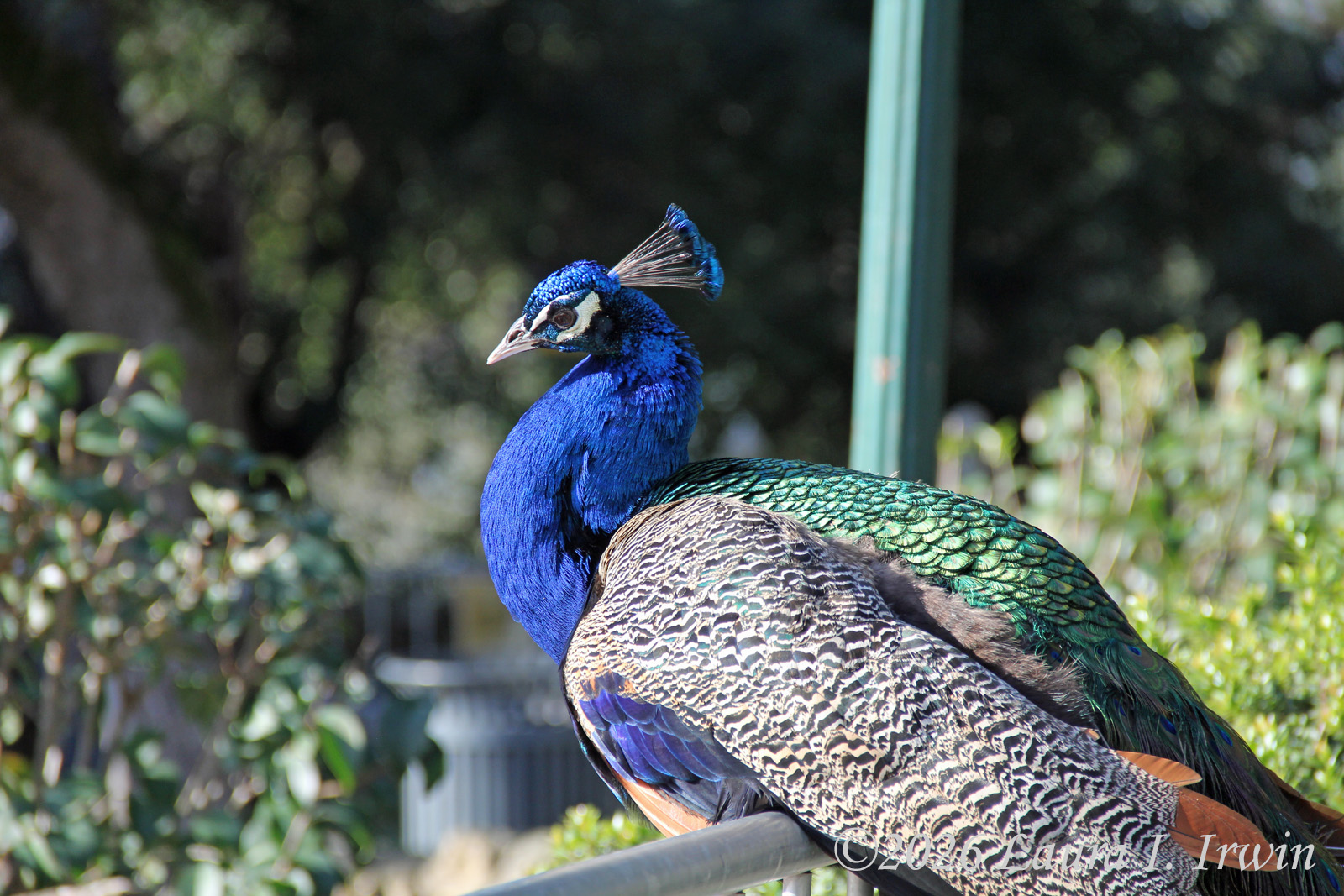
I eventually made my way up to Castelo de São Jorge, an 11th century fortification built to protect elites and noblemen from attack. Inside the castle walls are the castle itself, the castle town, and dozens of peacocks. Yes, peacocks. The peacocks were originally brought here from voyages and discoveries overseas and their descendants now wander freely around the castle grounds.
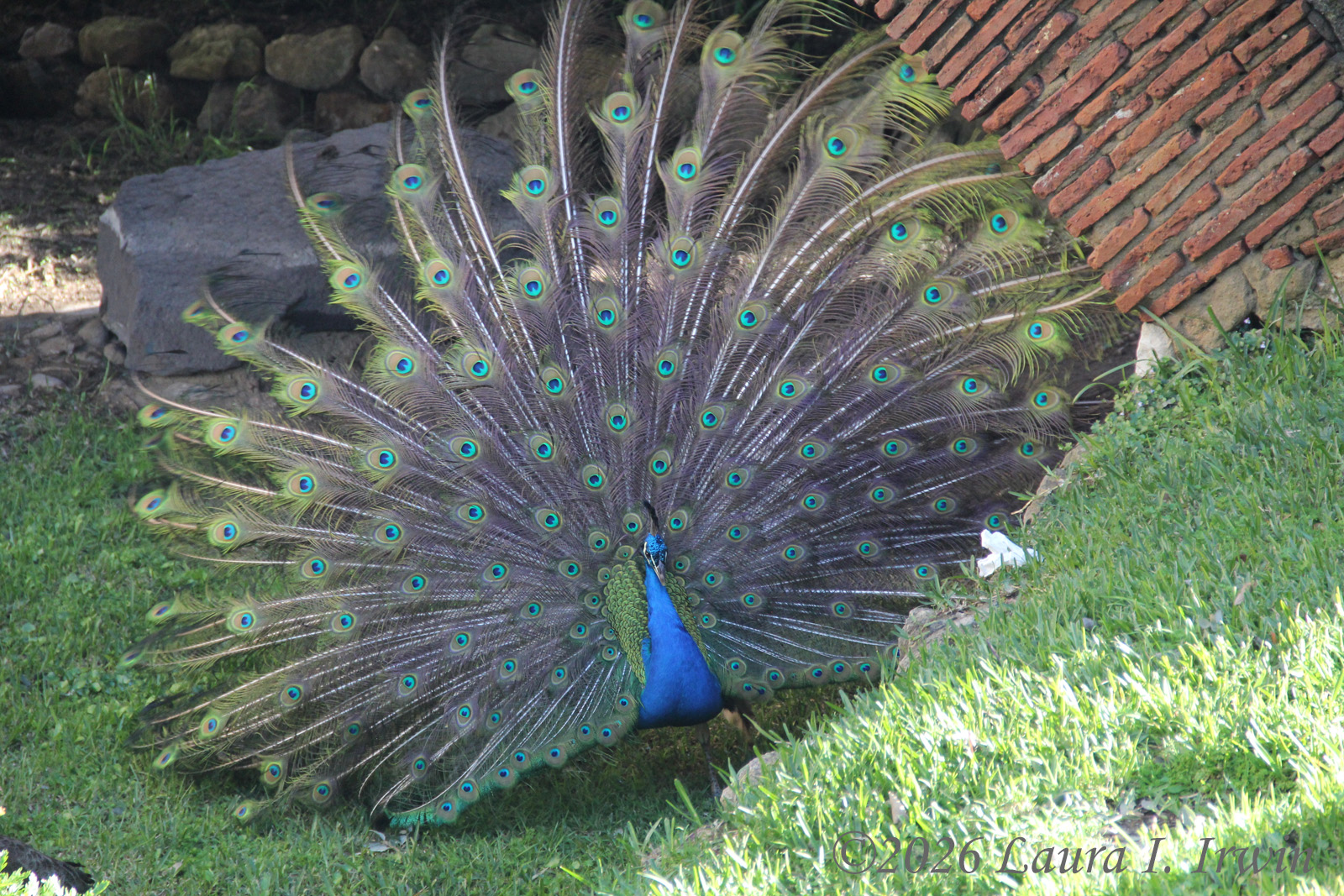
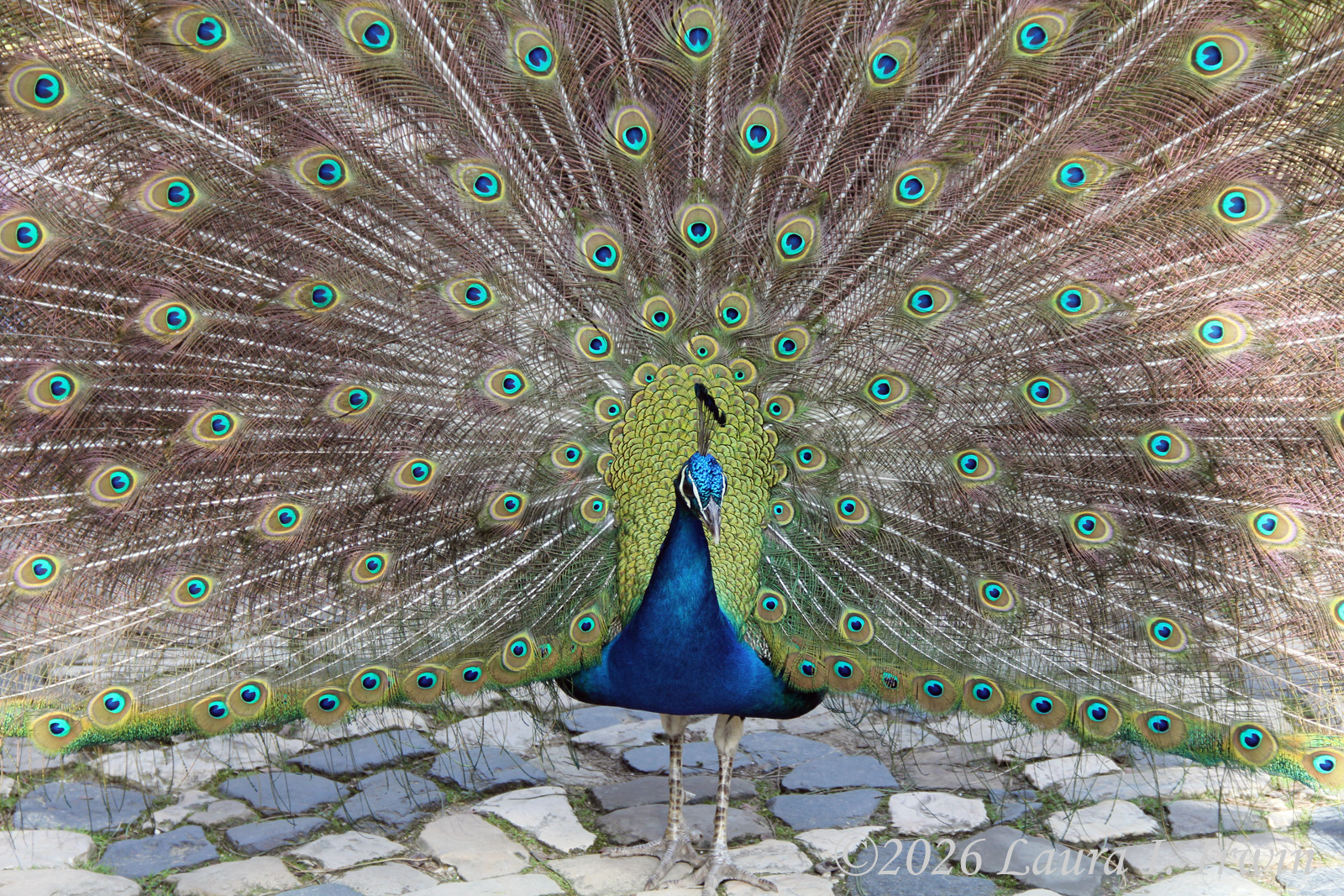
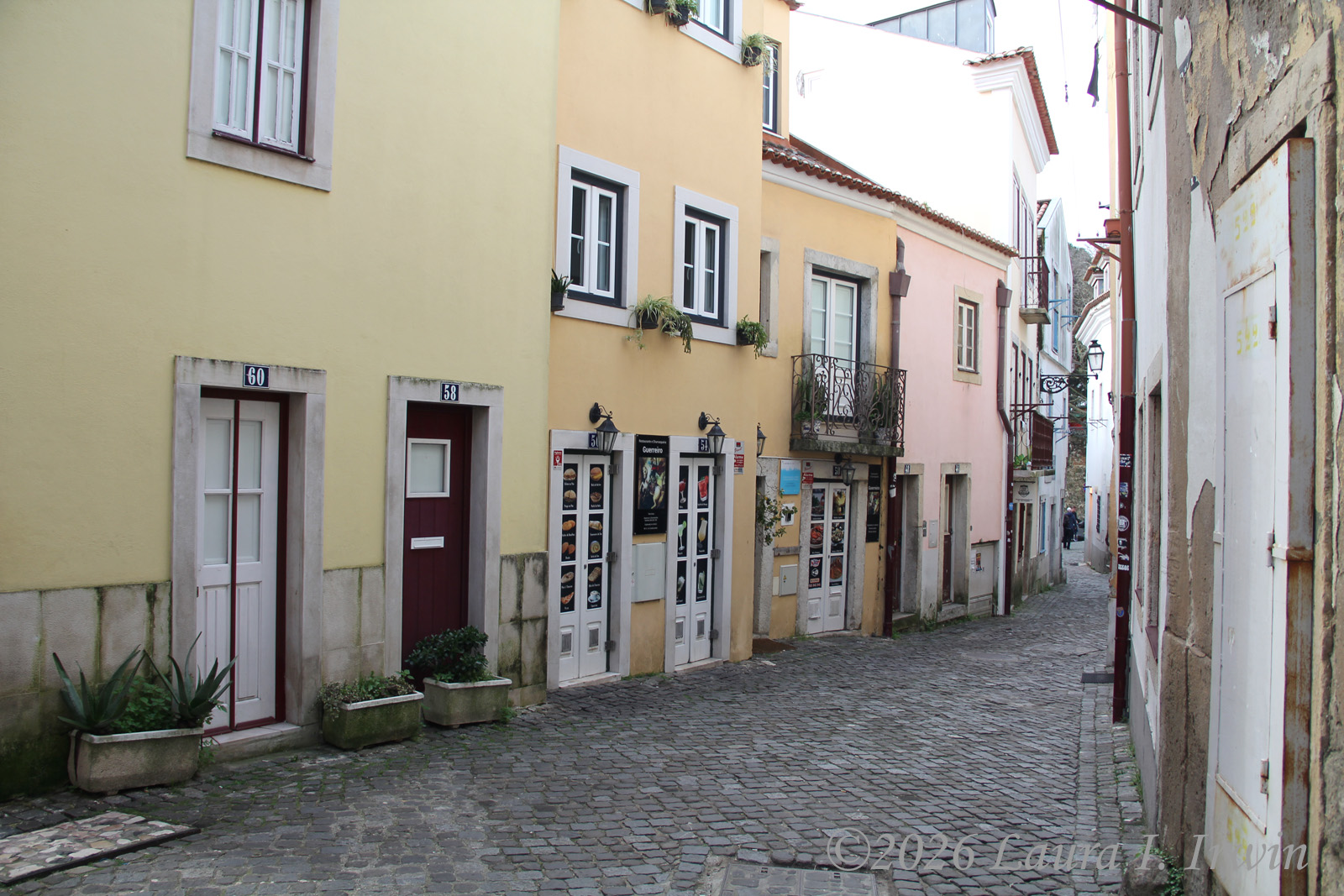
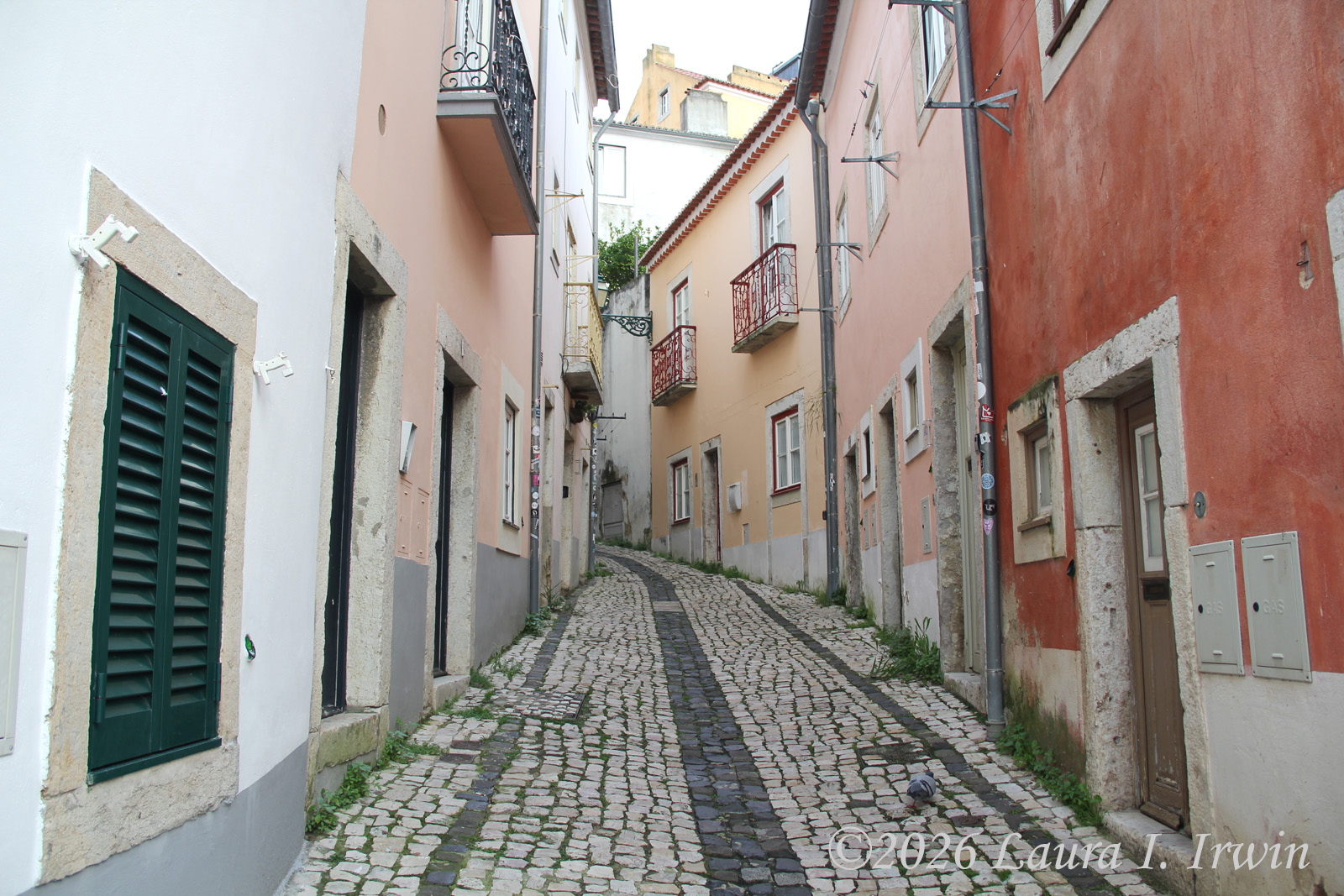
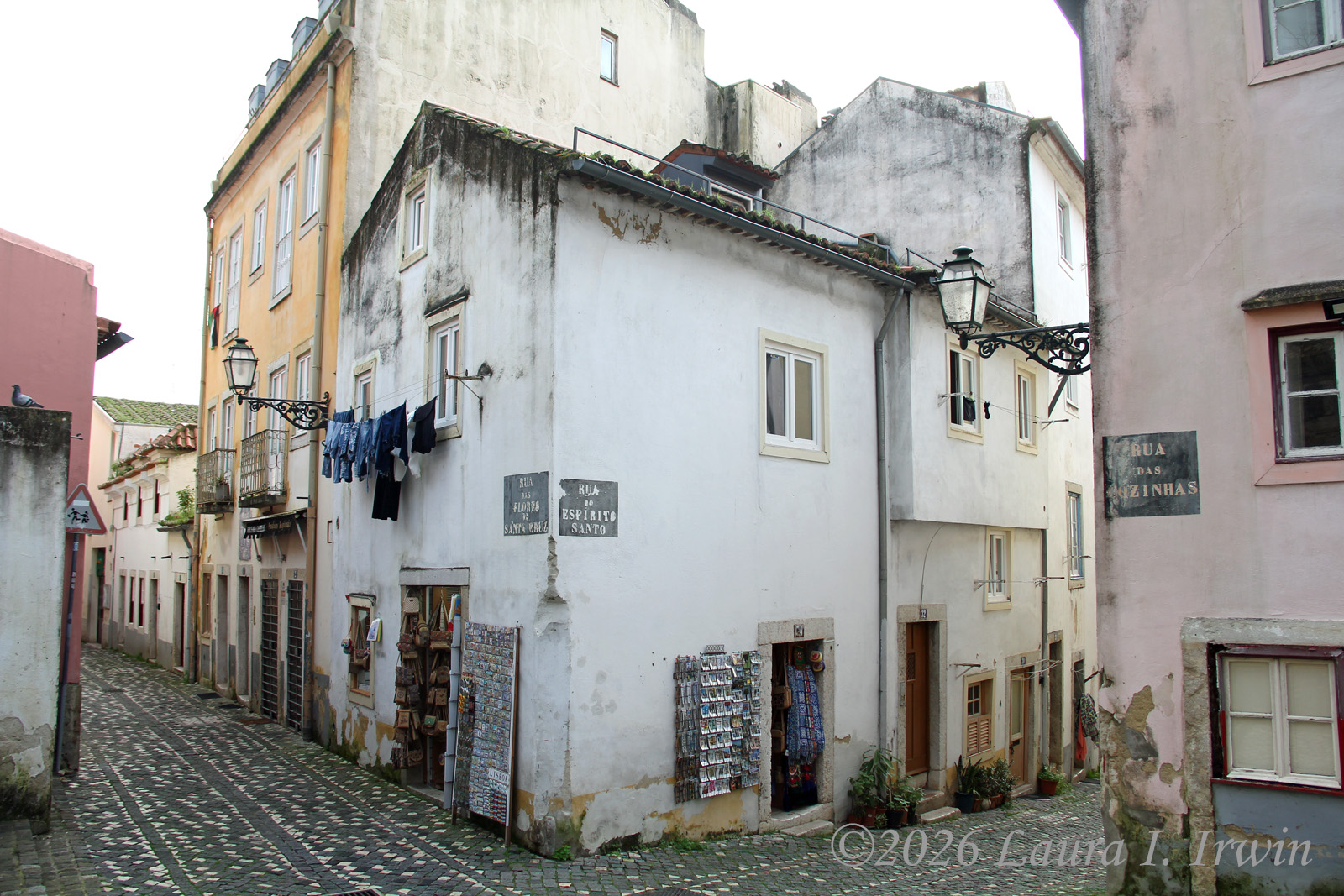
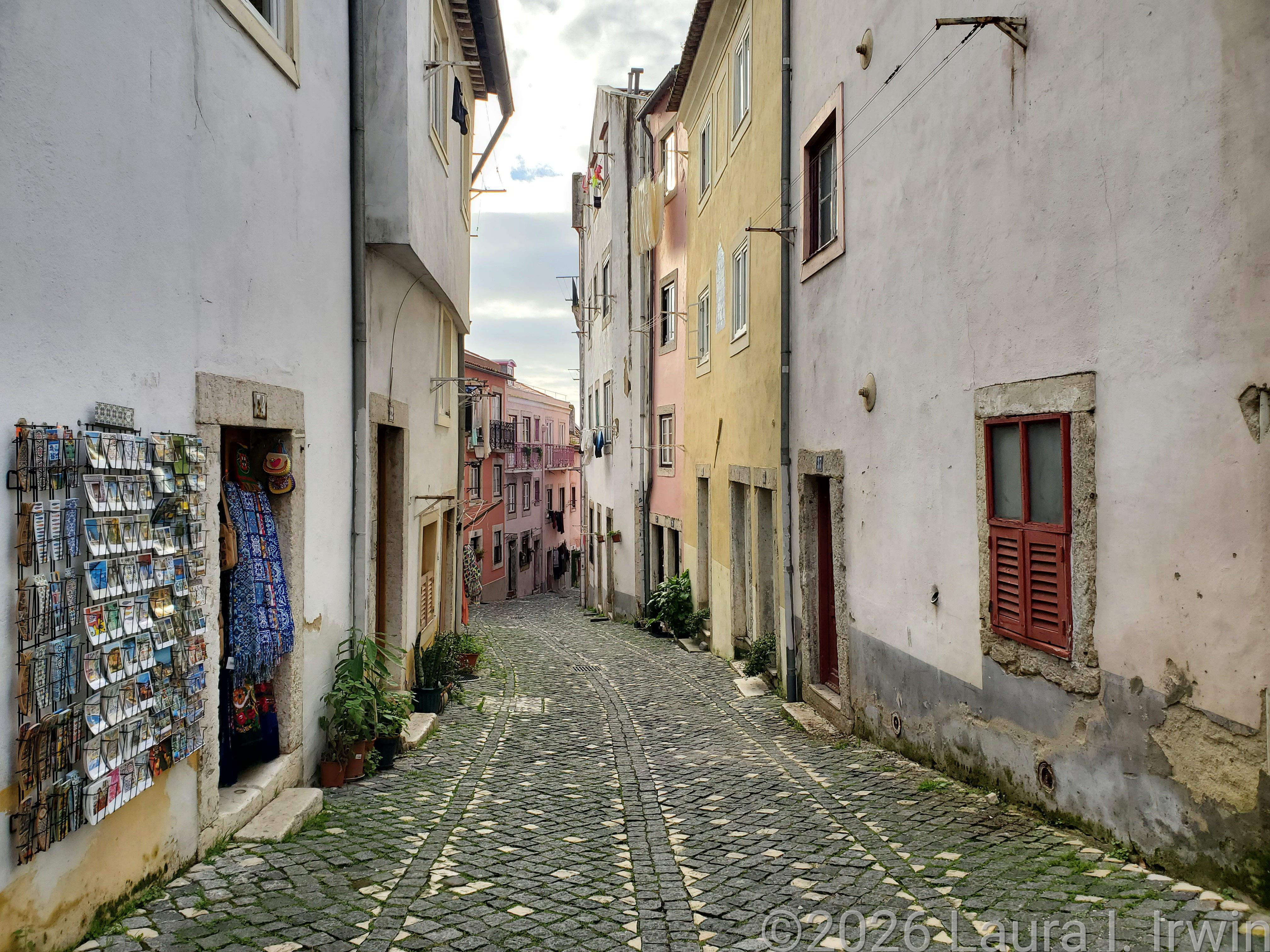
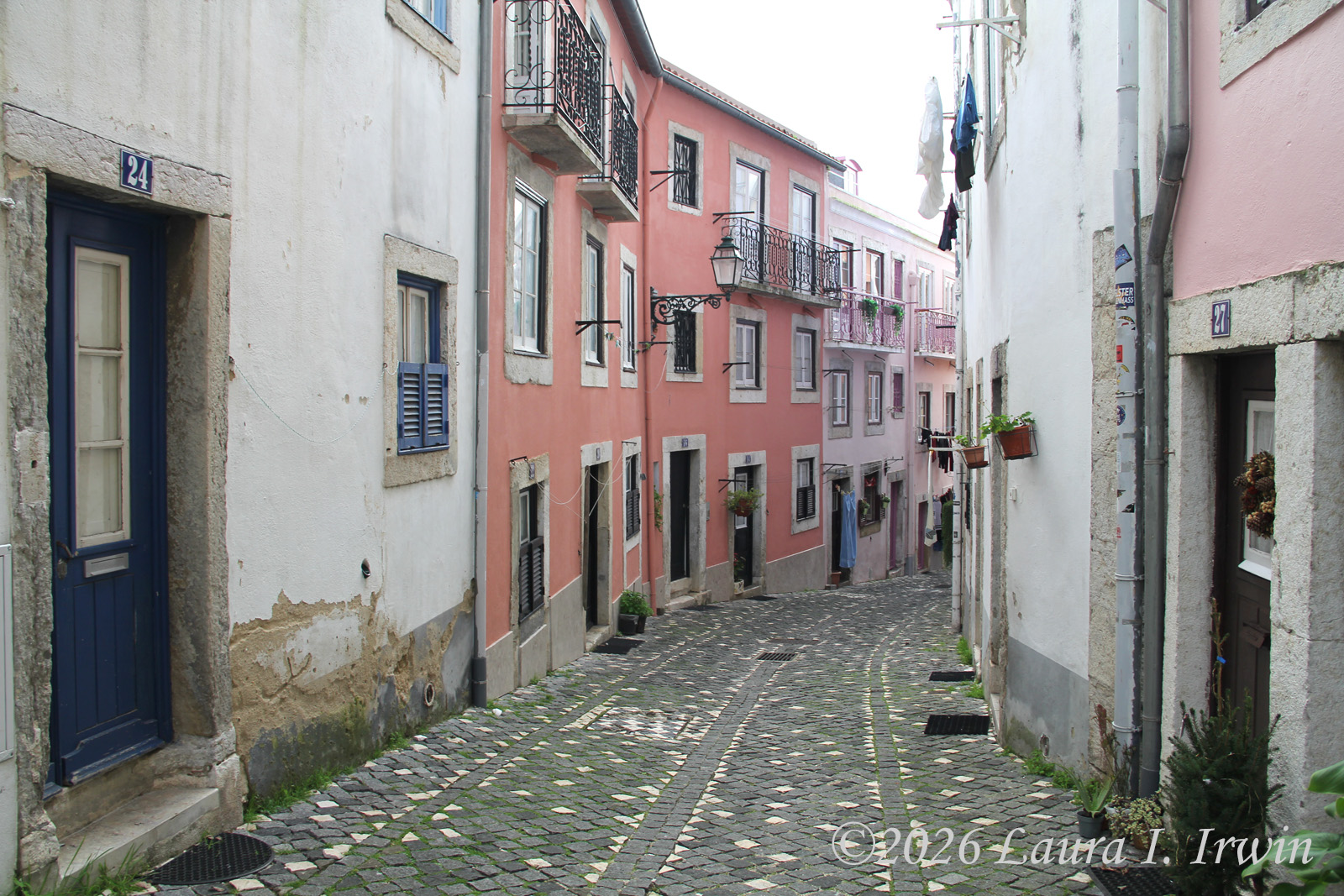
I walked around the castle town first and I’m glad I did because by the time I left the castle it was quite crowded. The town is filled with narrow streets and alleys with colorful homes and laundry lines hanging above the doors.
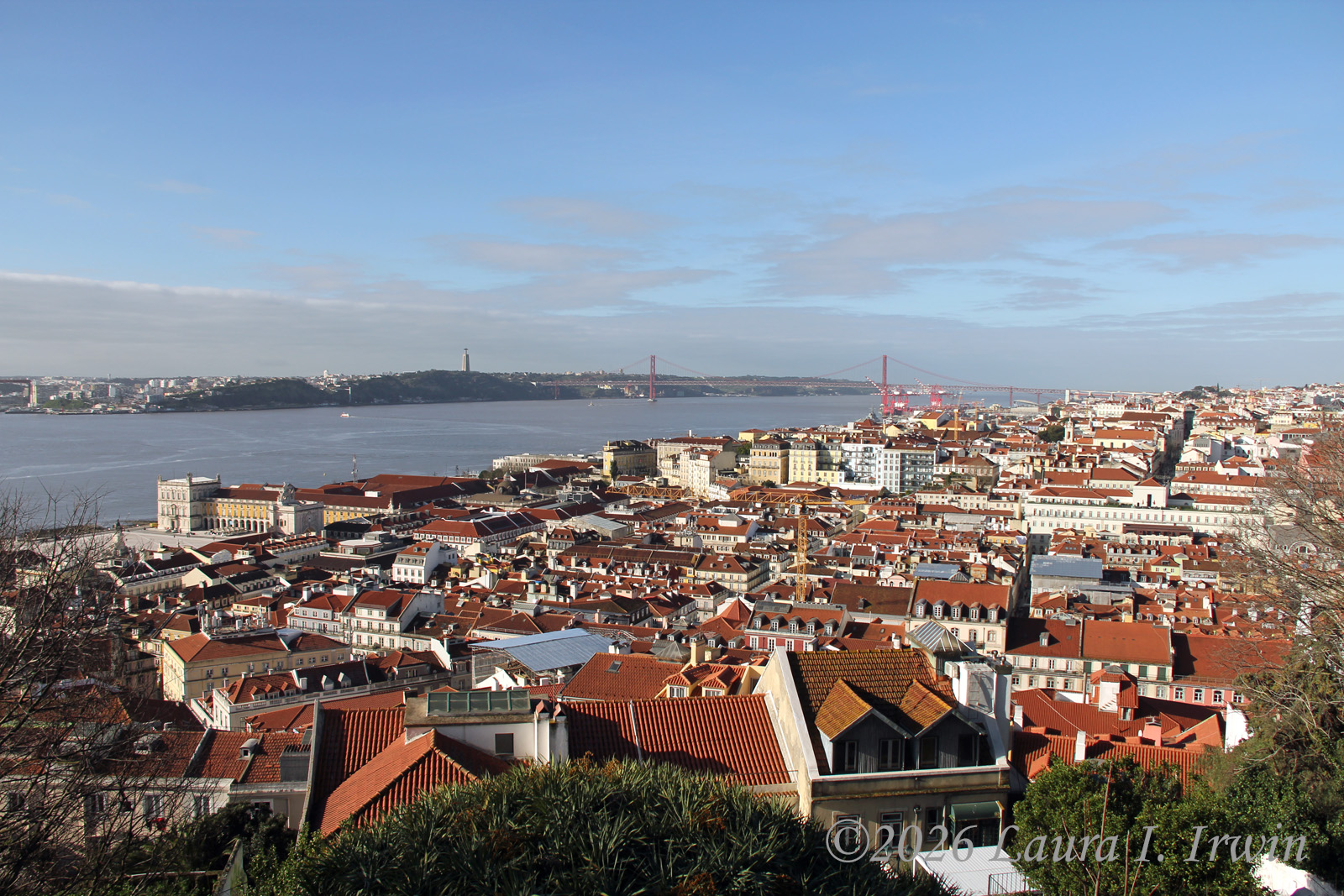
After paying entry to the castle grounds, the first attraction is the main square, which provides a commanding view over much of Lisbon. Below the castle is the Baixa district (low town) and then Bairro Alta rises up on the other side. I wandered along the viewpoints, then headed up to the castle walls where you can climb up and down the ramparts, in many places sans railing, as you look out over the city and Tagus River.
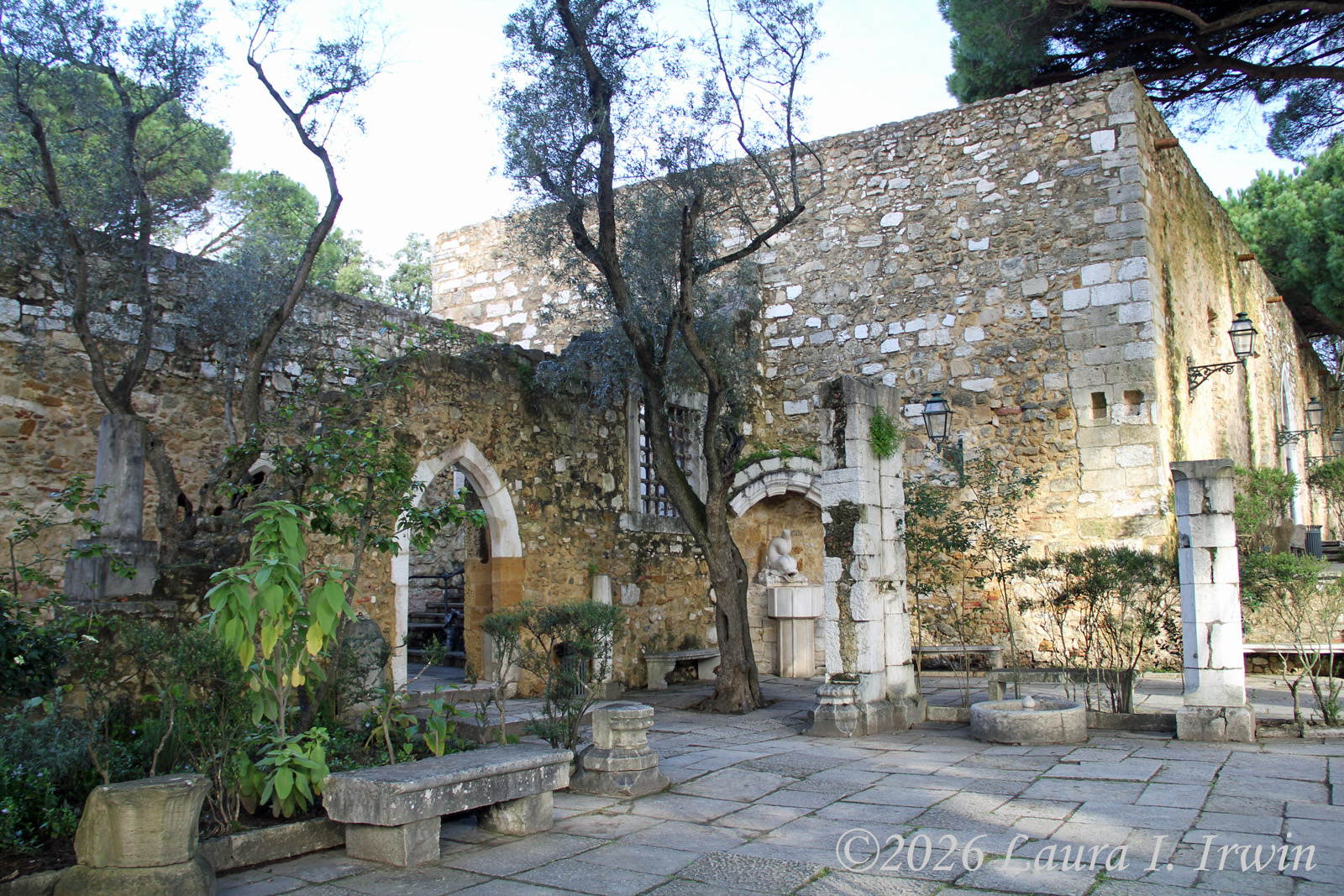
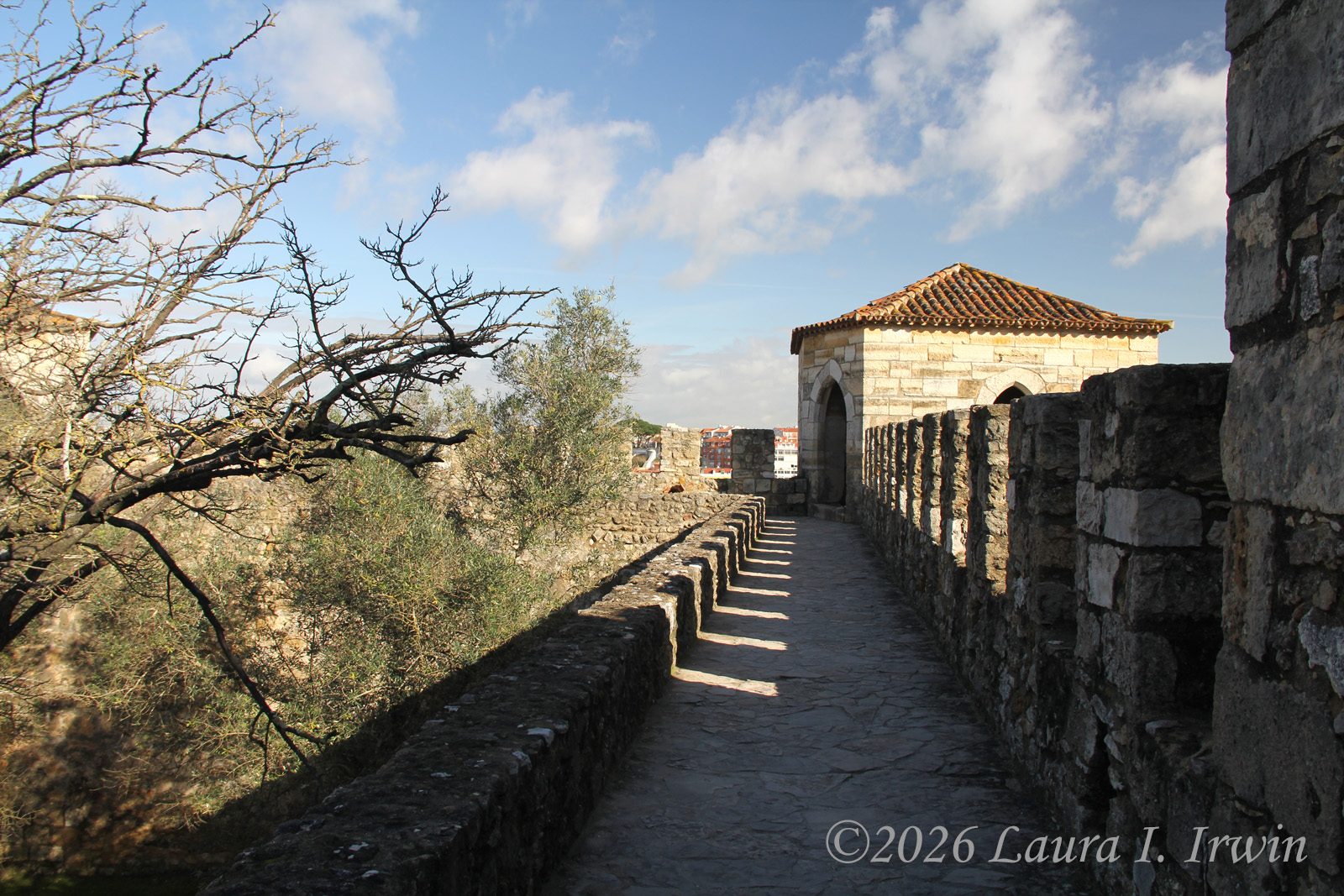
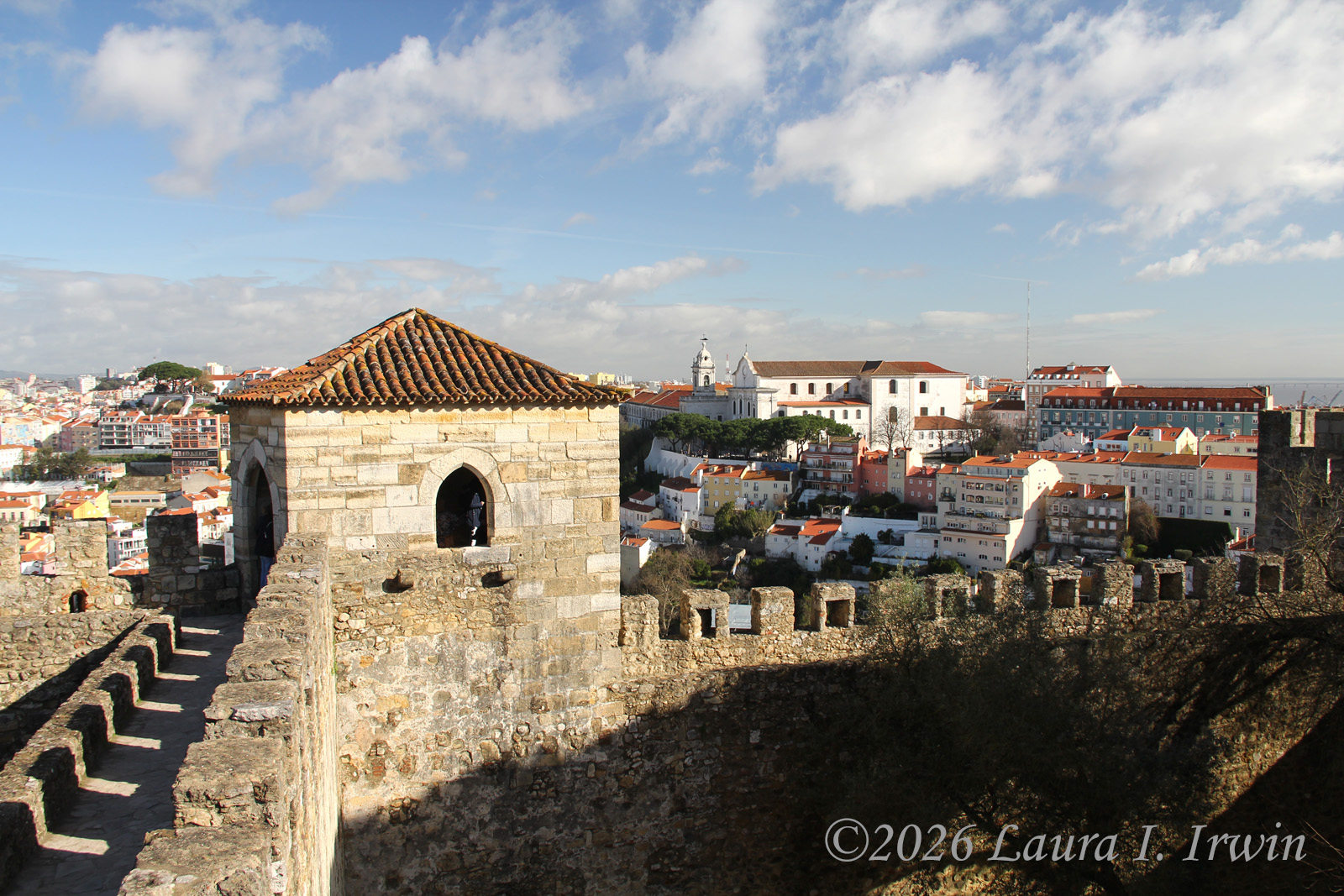
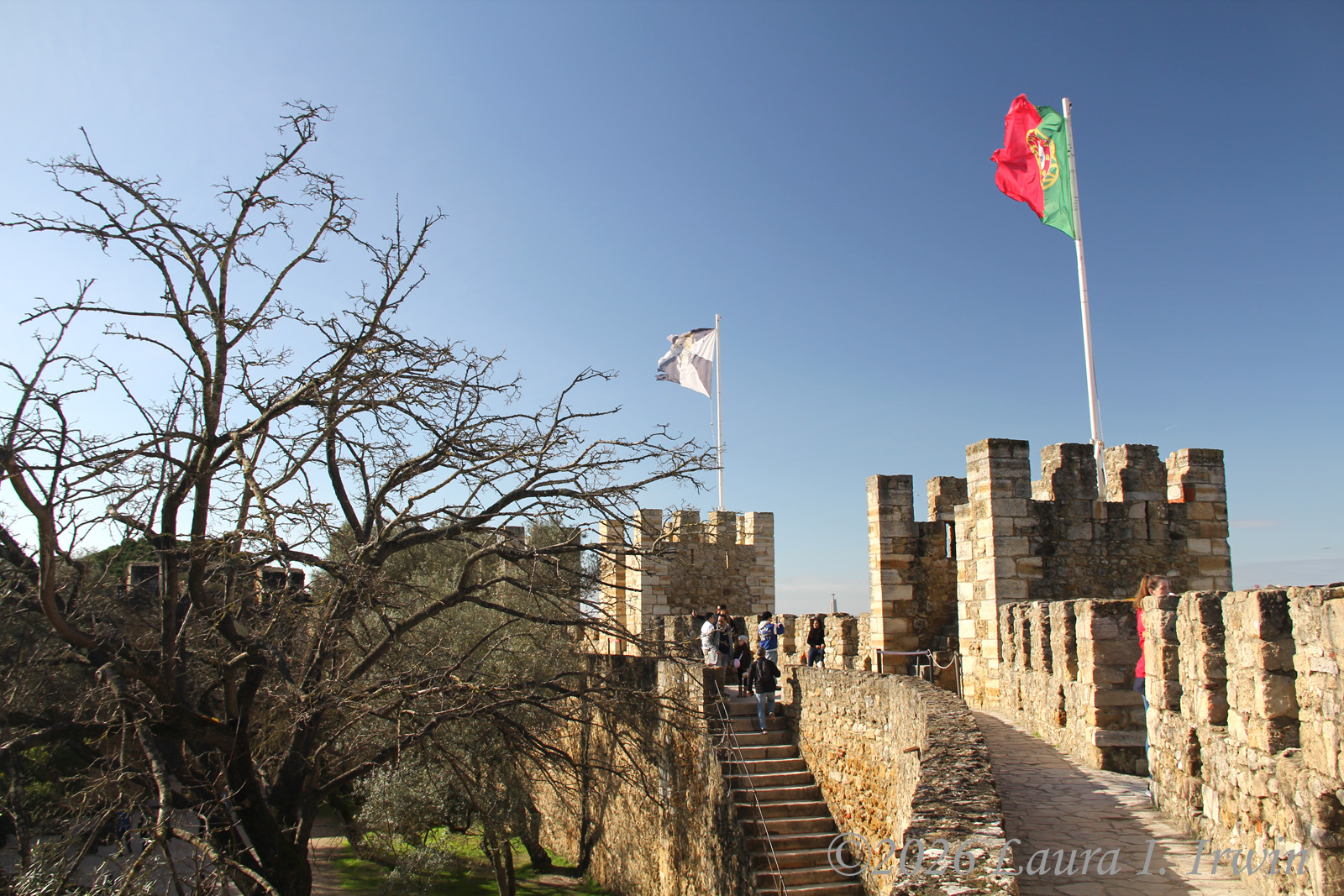
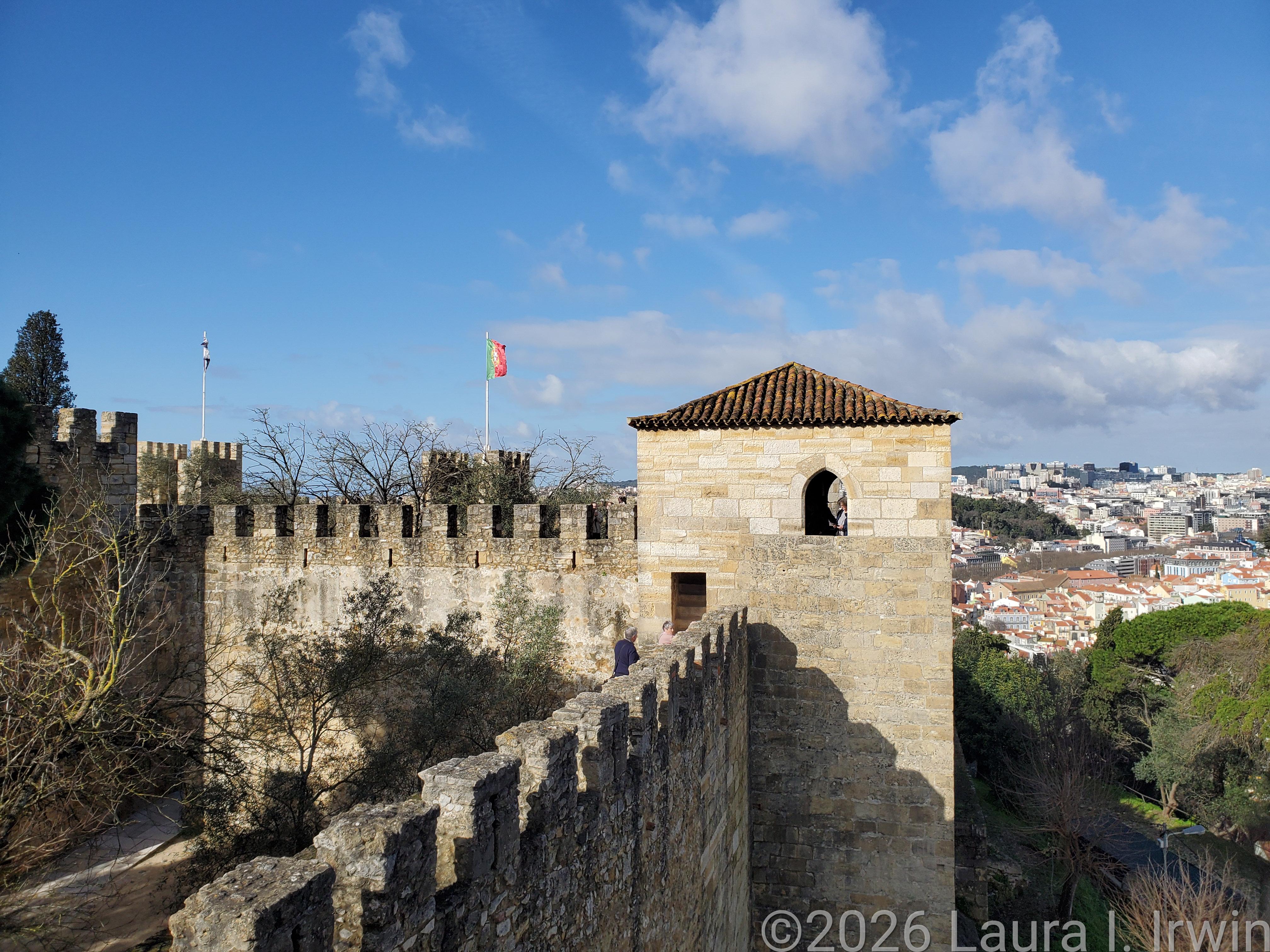
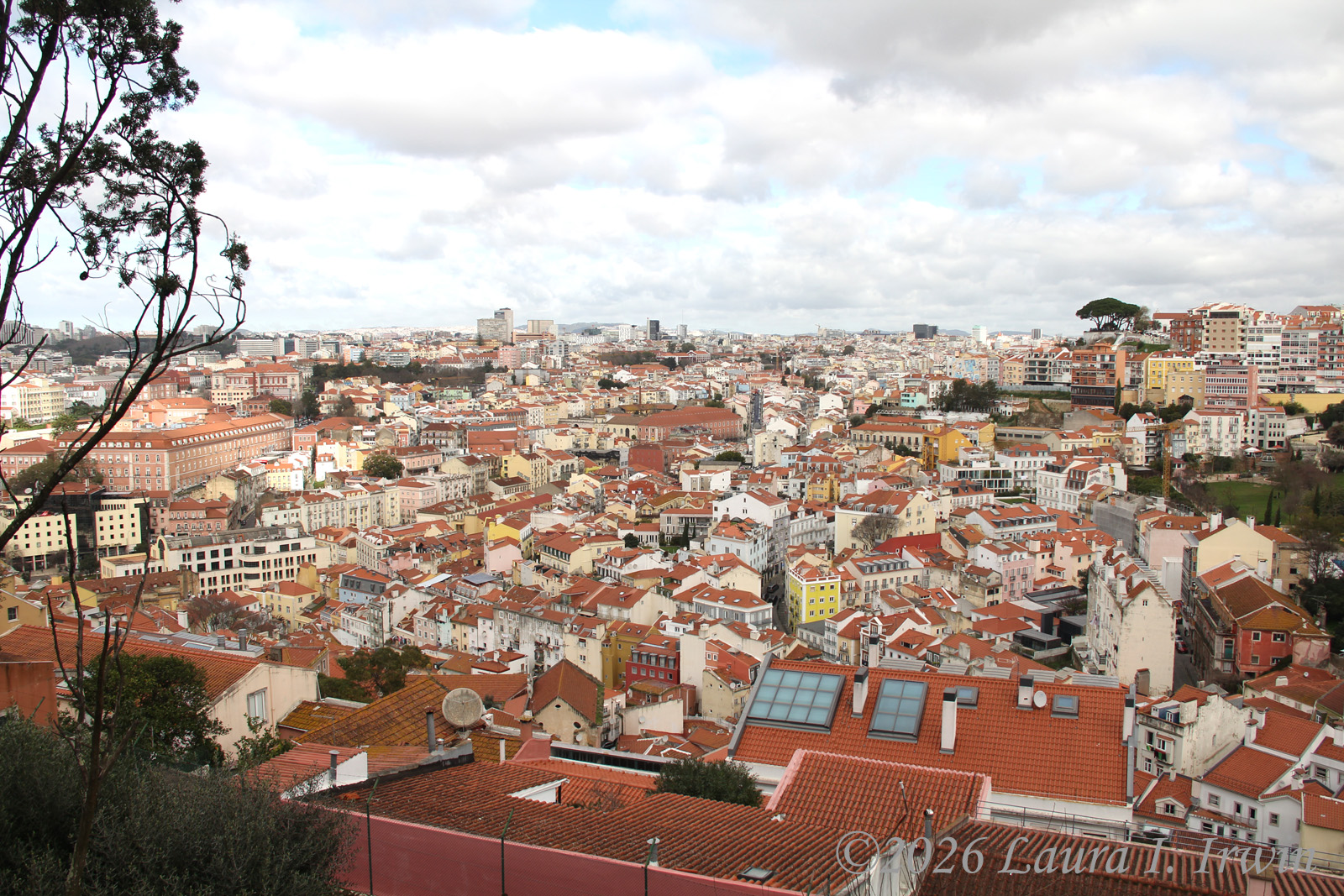
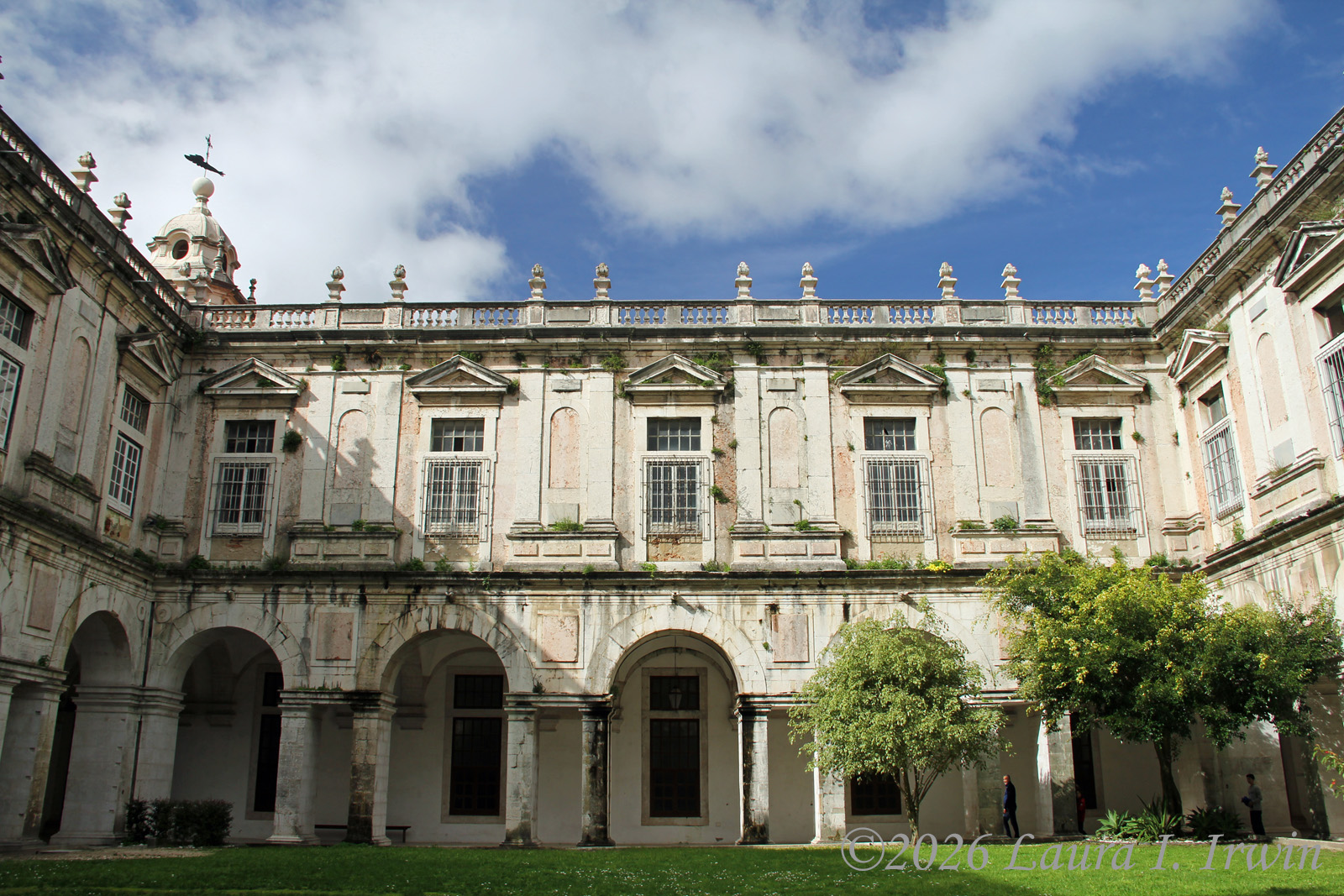
After having my fill of the castle (don’t ask me about its history; that part was lost on me), I kept walking around Alfama and ended up at Convento and Igreja da Graça. Though the church was pretty, I gravitated toward the cloisters. There’s something about the “rough around the edges” parts of Lisbon that make it endearing and the cloisters had that now-familiar look of being a bit run down while also preserving the historic architecture.
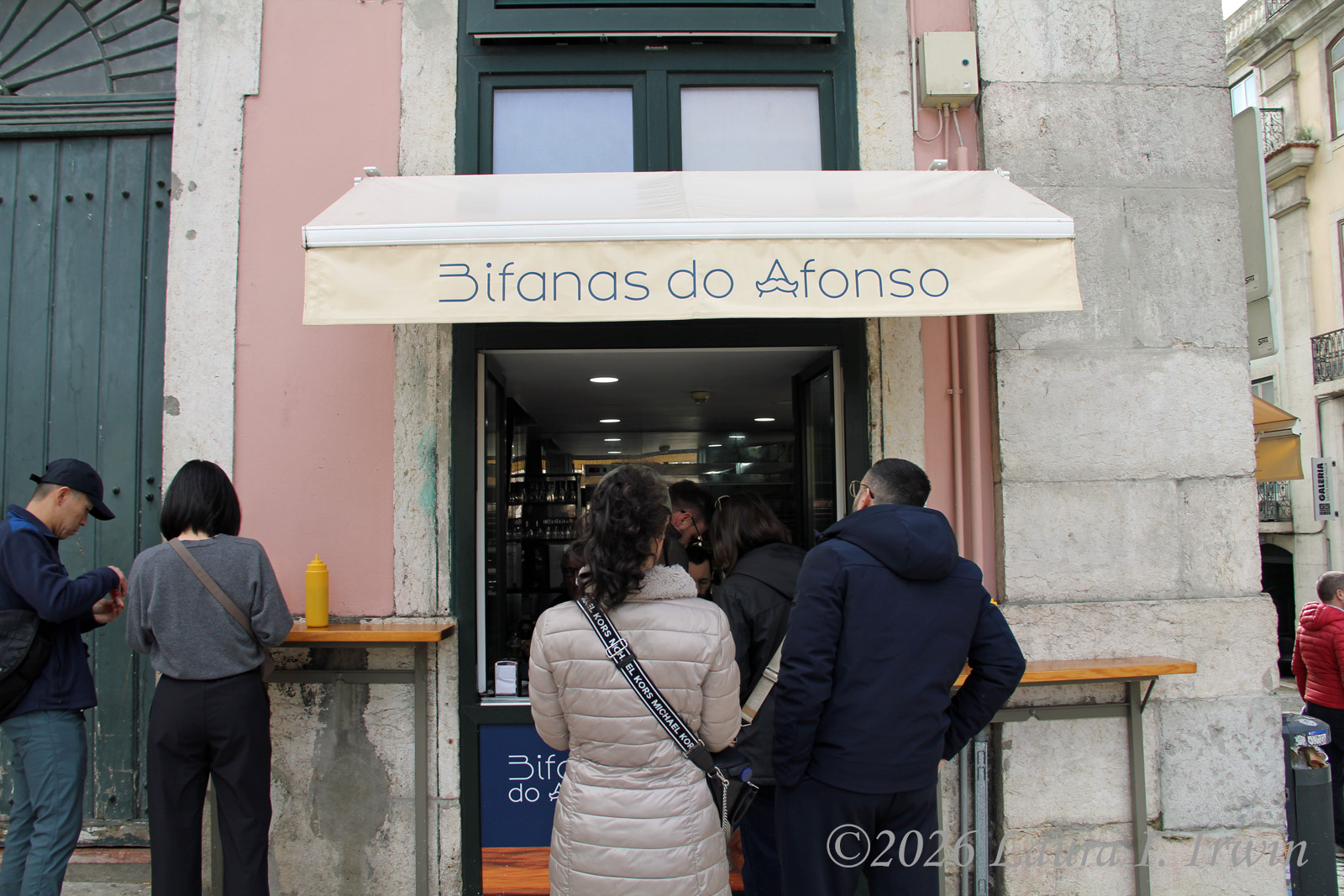
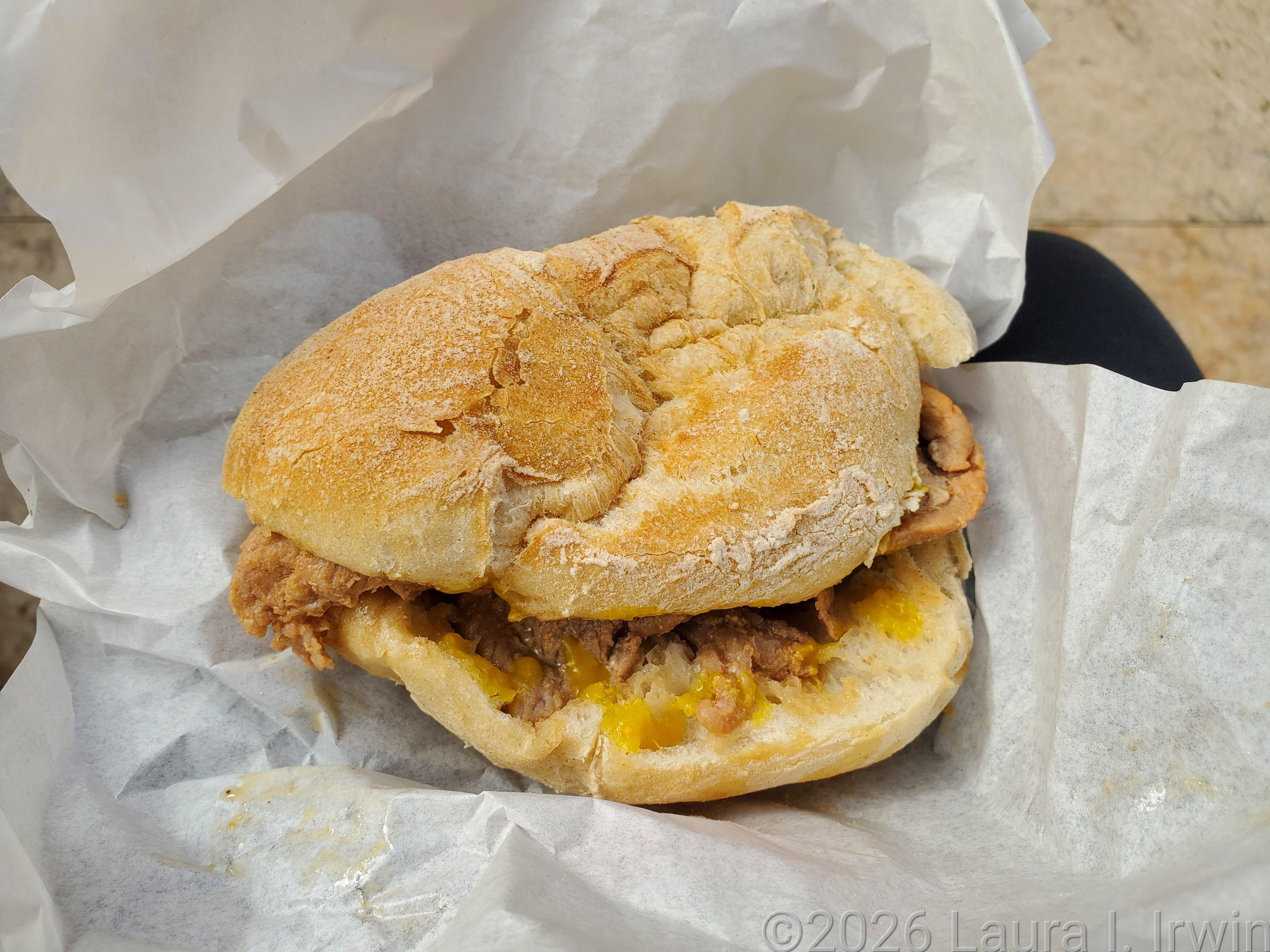
Bifanas do Afonso is one of the most popular spots in Lisbon for bifanas, a Portuguese marinated pork sandwich. And the line reflects its popularity. I waited about 20 minutes to get my hands on the infamous sandwich, smelling the aroma of the pork as I got closer. The restaurant is mostly a takeout operation so I took my sandwich and sat on a nearby bench to enjoy my taste of heaven. And heavenly it was. The bread was sooo soft, the pork just slightly chewy and very flavorful, and I managed to put just the right amount of mustard on to enhance the flavor.
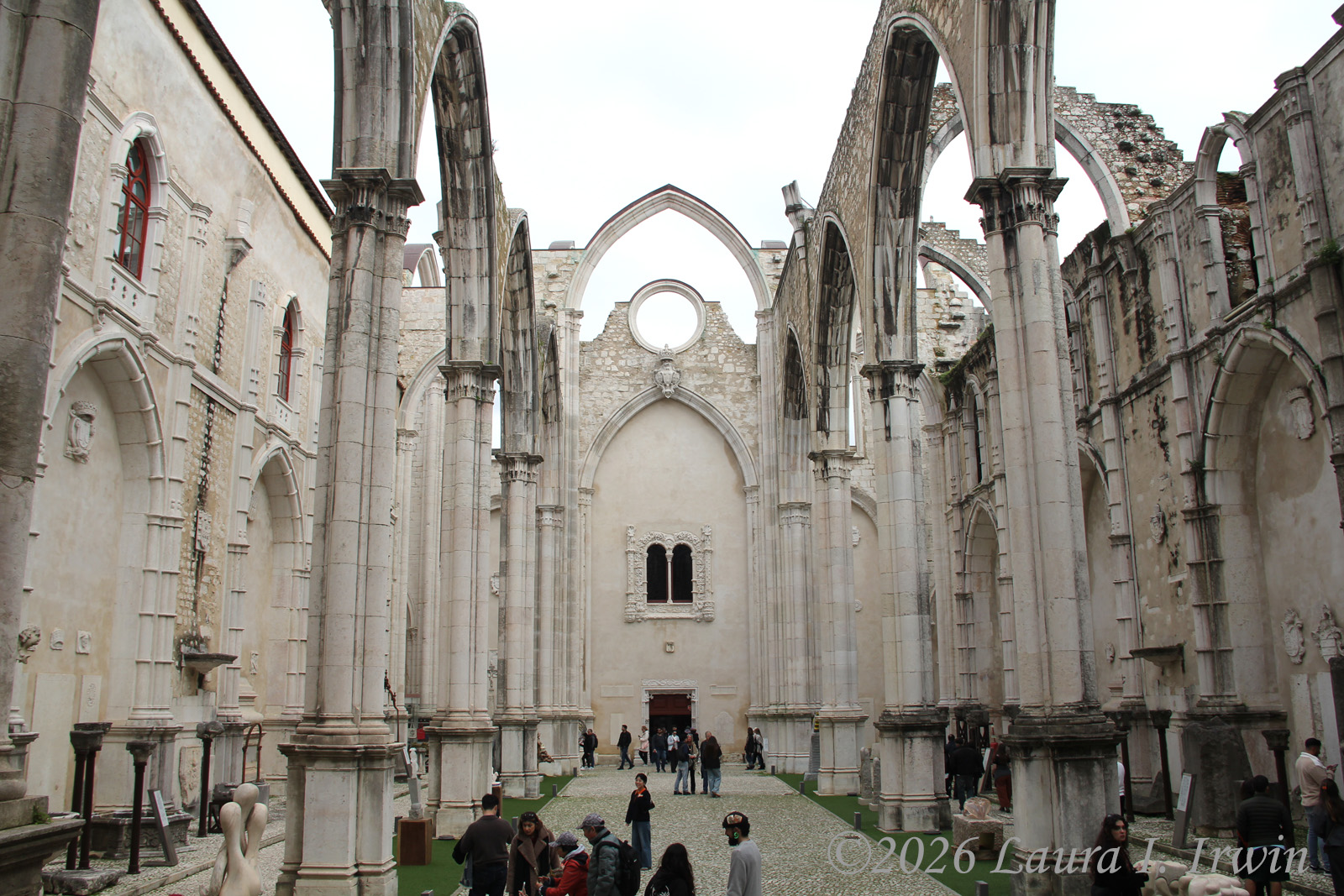
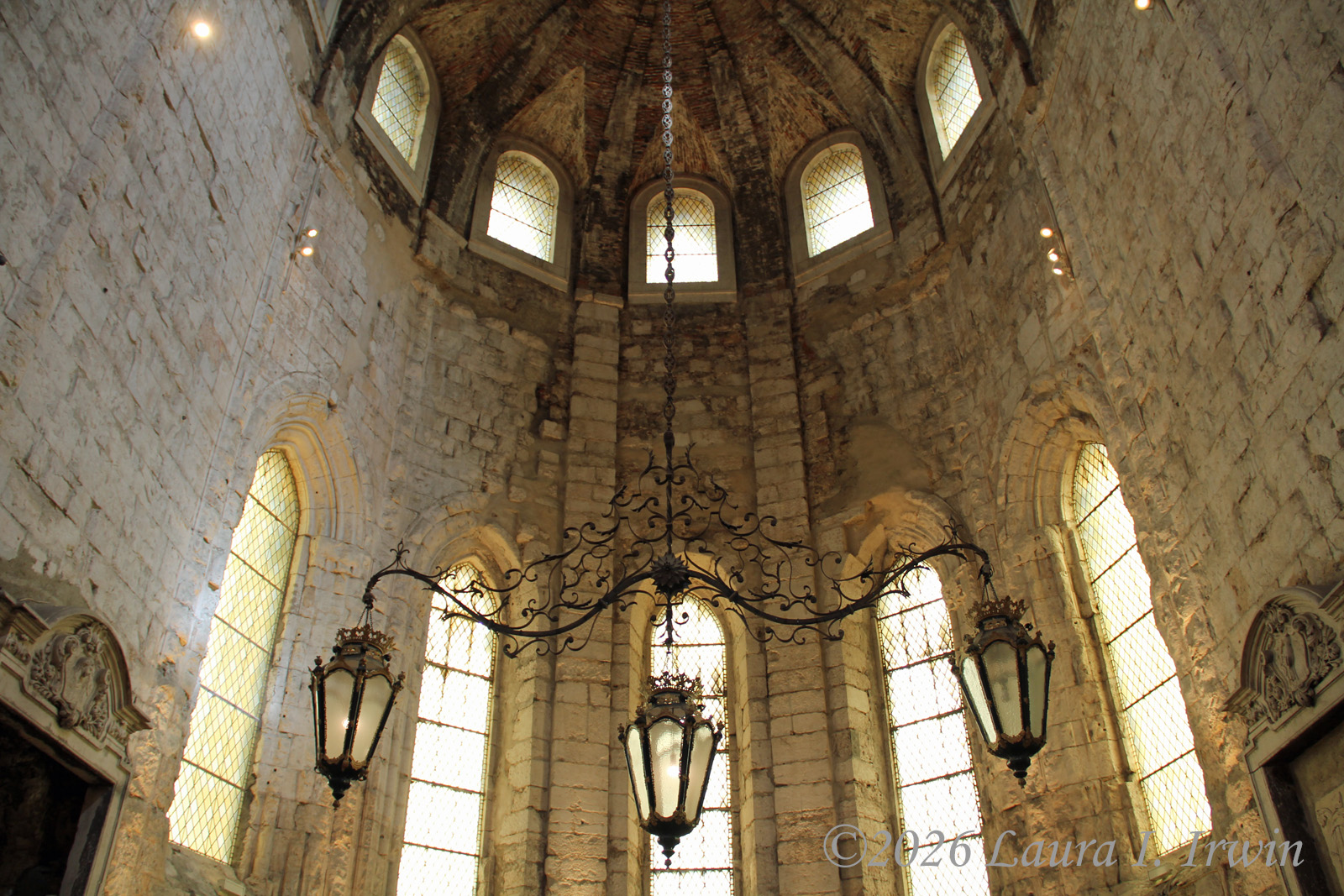
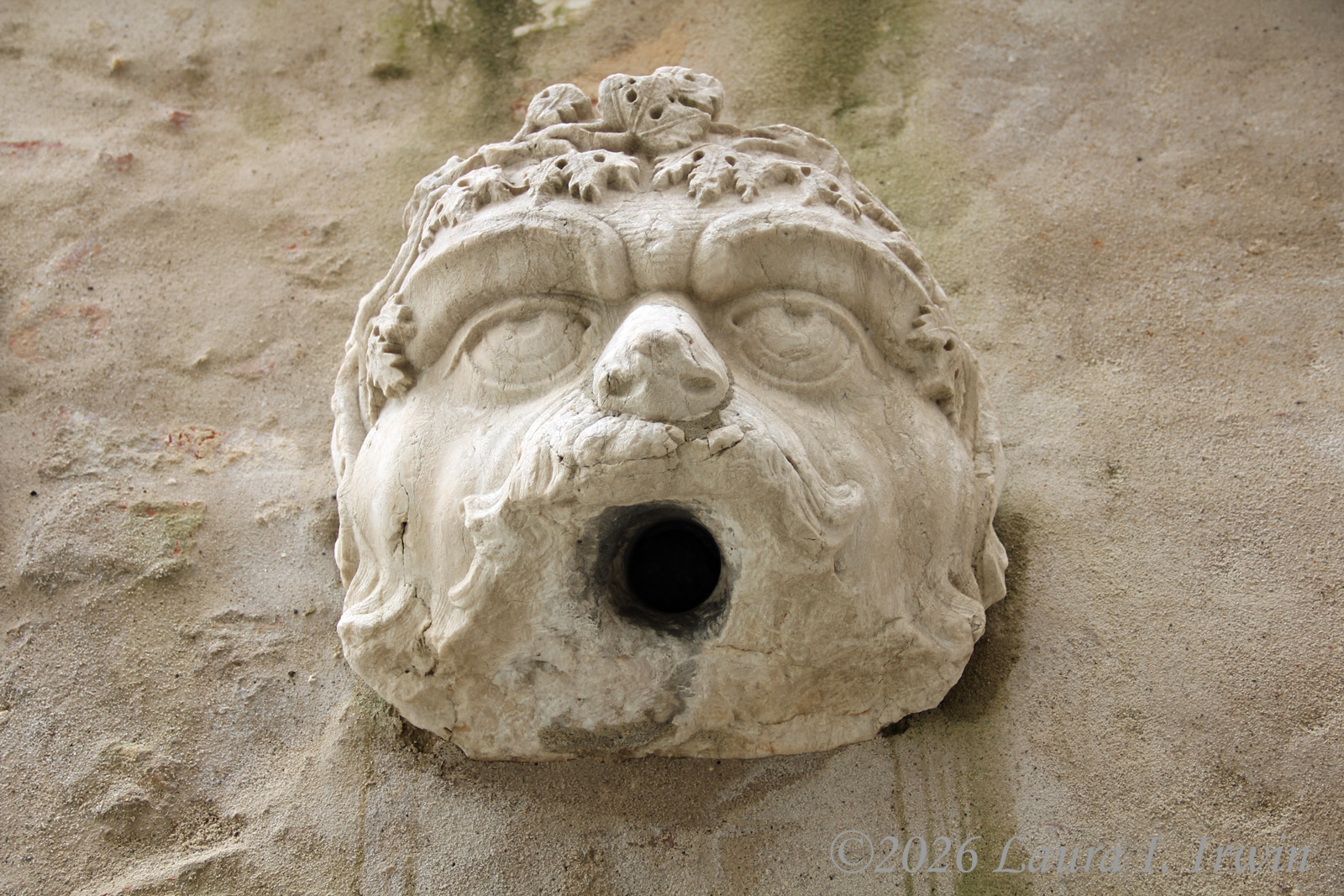
My next stop was at Convento do Carmo, the ruins of a fourteenth century church which was destroyed (along with much of Lisbon) during the great earthquake of 1755. It is now a museum and archeological heritage site and was a little more restored than I was expecting on the inside. There are many relics lining the walkways, but not all come from the original church.
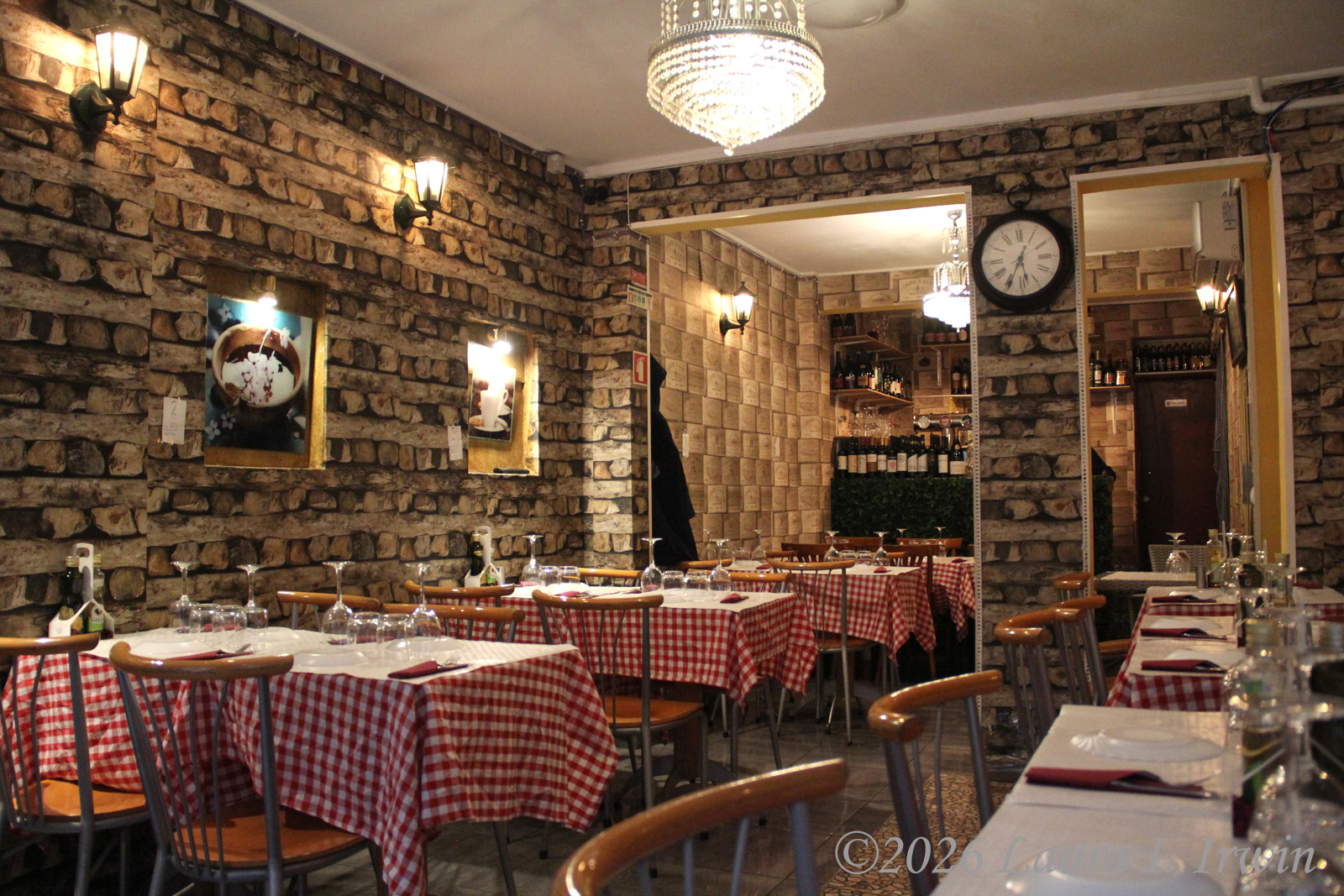
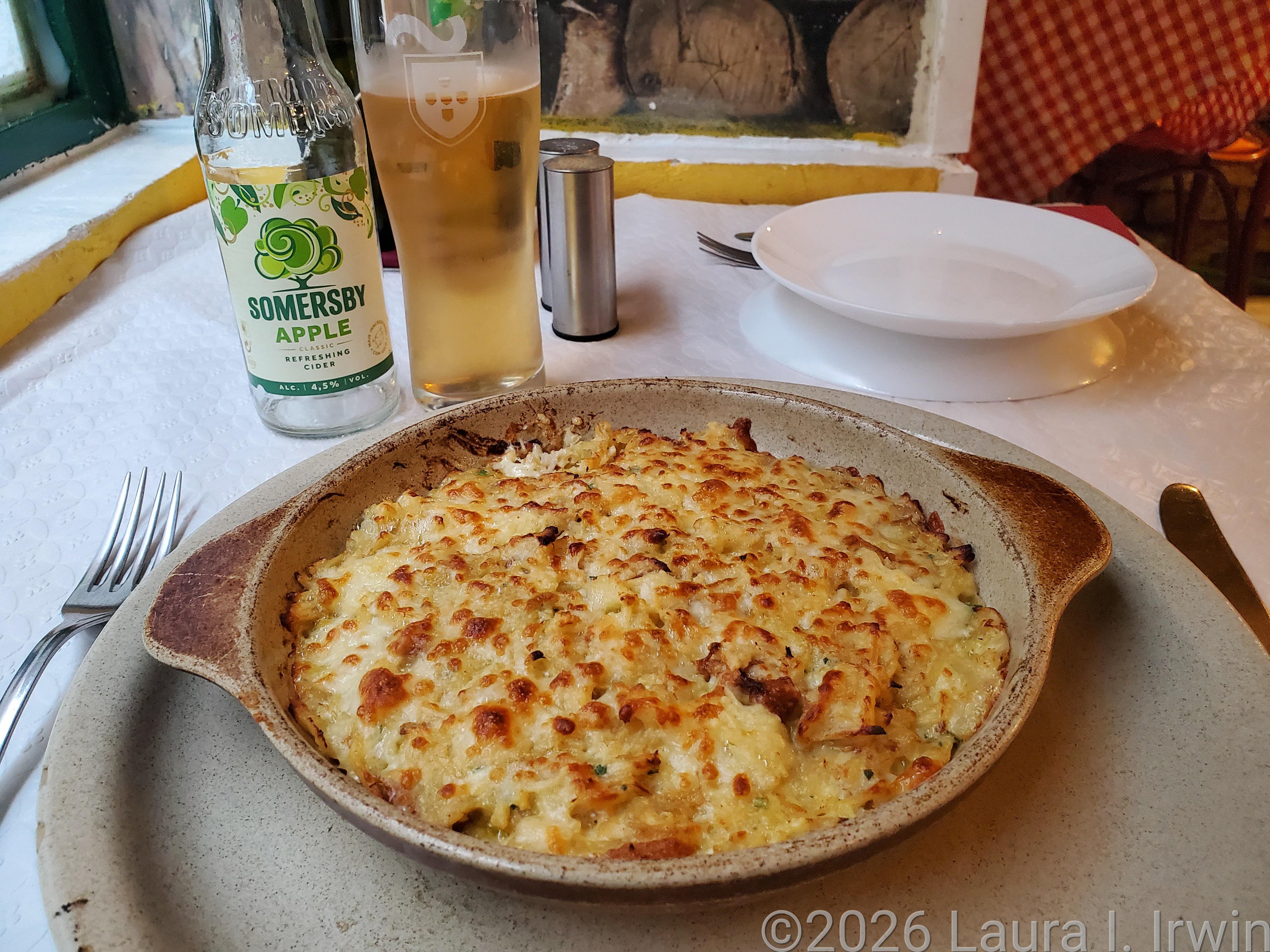
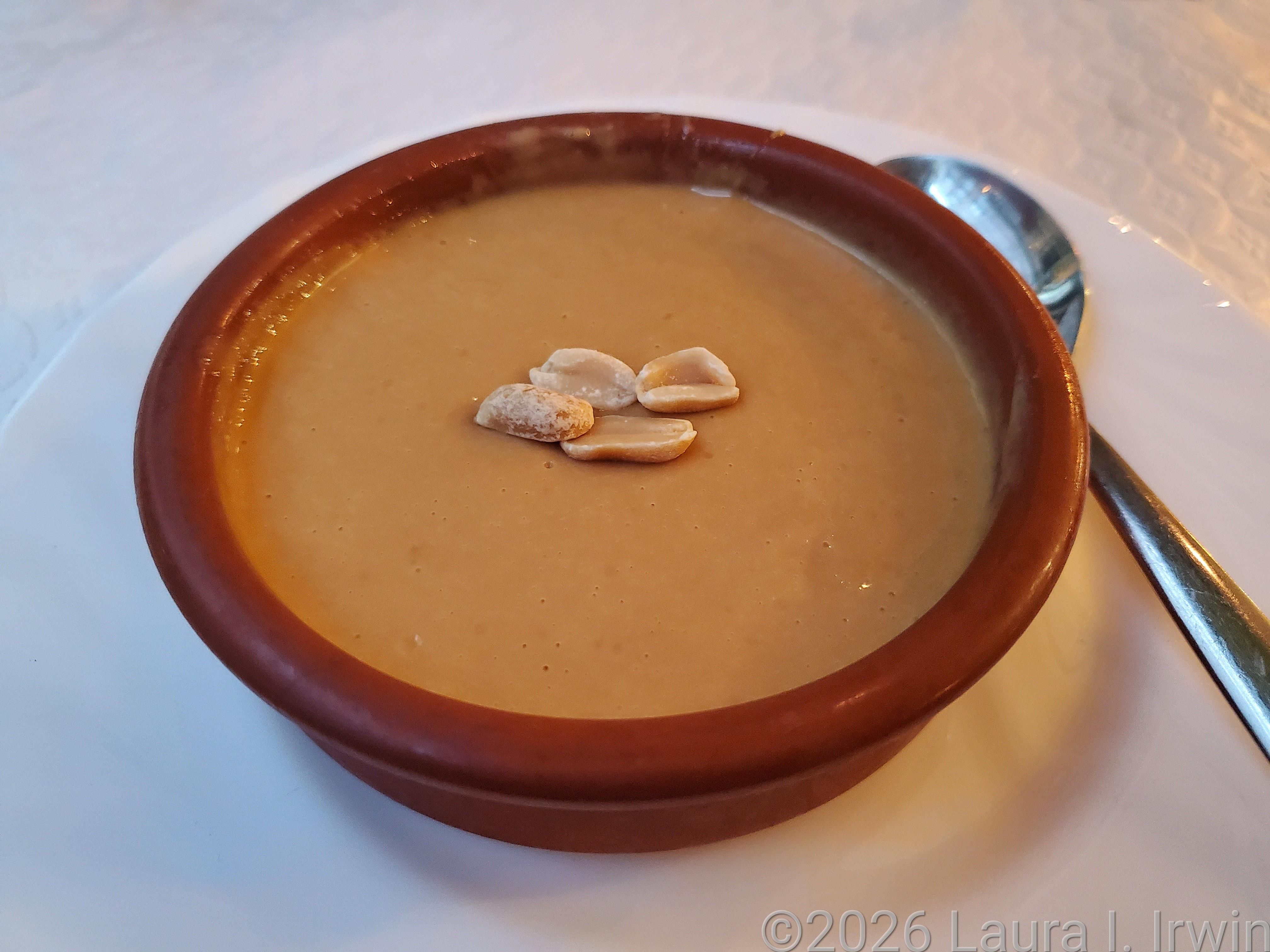
By the time I was done with my short visit, my legs were getting tired and I was ready to rest. Sufficiently refreshed after a couple of hours in my room editing pictures, I was off to find dinner. I headed up into the hillside of Bairro Alto where I know there are many small restaurants. I looked at some menus and decided on A Tasca do Bairro Alto. I took a step outside of my comfort zone and ordered bacalhau com natas, a baked casserole of shredded cod, onions, potatoes, cream, and cheese. It was very, very rich. I only ate part of it, but I’m glad I tried it. For dessert, I had the caramel mousse, which was described to me as a custard made with egg yolks and condensed milk. It, too, was very rich, so I’m thankful it was also very small. Somersby cider seems to be the go-to cider in Lisbon so I had a bottle of that as well. Lisbon is a very affordable city. My meal tonight was only €23, or about $27 US dollars. And like much of Europe, tipping isn’t really a thing that’s done here.
I walked off my dinner (part of it, anyway) on the way back to my hotel where I am now busy planning tomorrow’s day trip outside of the city.
 Traveling with Laura